Last Updated on August 25, 2026
There is a pattern among people who travel a great deal: they tend to take their home beds unusually seriously. Ask a frequent flyer about their mattress and they often have opinions, having learned through hundreds of nights on other people’s beds exactly what good and bad sleep surfaces feel like. The travel itself is what turns them into mattress obsessives, and the reasons are worth understanding, because they apply to anyone whose sleep takes a regular beating.
Travel Is an Education in Beds
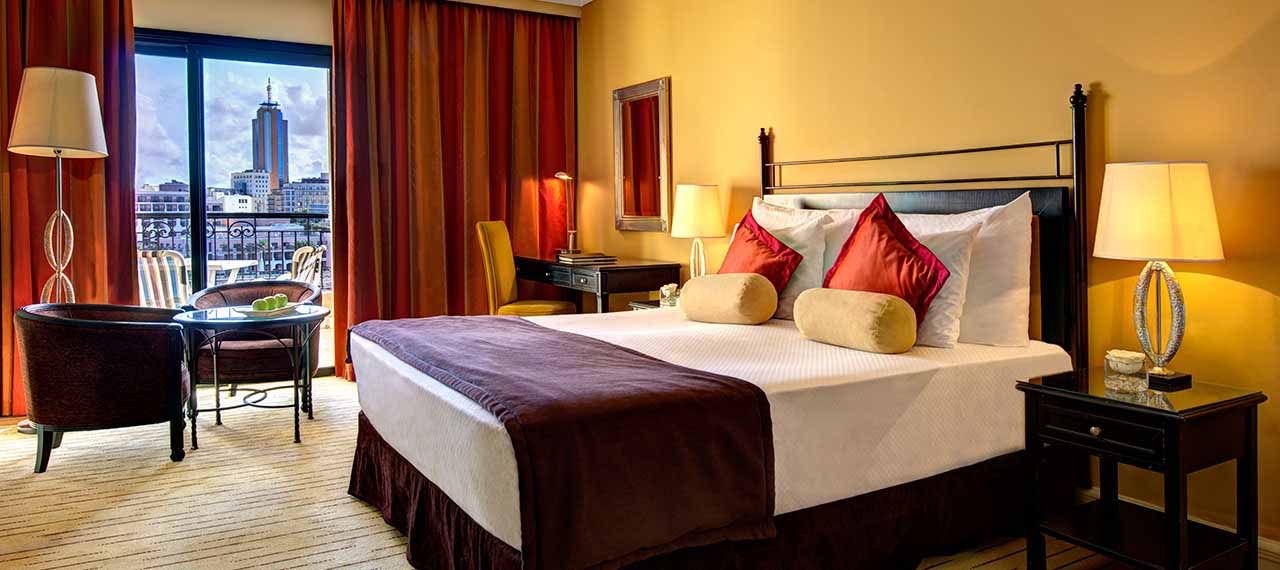
The first reason is sheer education. Most people sleep on one or two beds their whole lives and have no basis for comparison. A frequent traveler, by contrast, samples dozens of mattresses a year, soft ones, sagging ones, excellent ones, and develops a trained sense of what supports a body and what does not. They learn, viscerally, how much the surface matters, and that knowledge makes them unwilling to settle for a poor bed once they are home. It is the same way a chef develops a palate by tasting constantly: exposure builds discernment, and the frequent traveler body becomes an unusually well-calibrated judge of what a night’s surface is doing to it. They notice within minutes what a once-a-decade buyer might never consciously register.
The Recovery Burden
The second is recovery. Travel degrades sleep reliably, so the nights at home carry the double burden of providing rest and repaying the debt the trips accumulated. A frequent traveler who sleeps badly at home never catches up, and the deficit builds into chronic exhaustion. They come to see the home bed as the place that makes their lifestyle sustainable, which justifies investing in it in a way a more sedentary person might not think necessary.
The Cost-Per-Night Calculation
The third is the value calculation, which travelers are well placed to make. Someone who spends heavily on flights and hotels, often on beds they will use once, quickly notices the contrast with the home mattress used every night for years. Measured by cost per night, a good home mattress is among the cheapest things they own, and the most used. Frequent travelers, fluent in the economics of comfort, tend to spot this sooner than most.
What They Invest In: Space
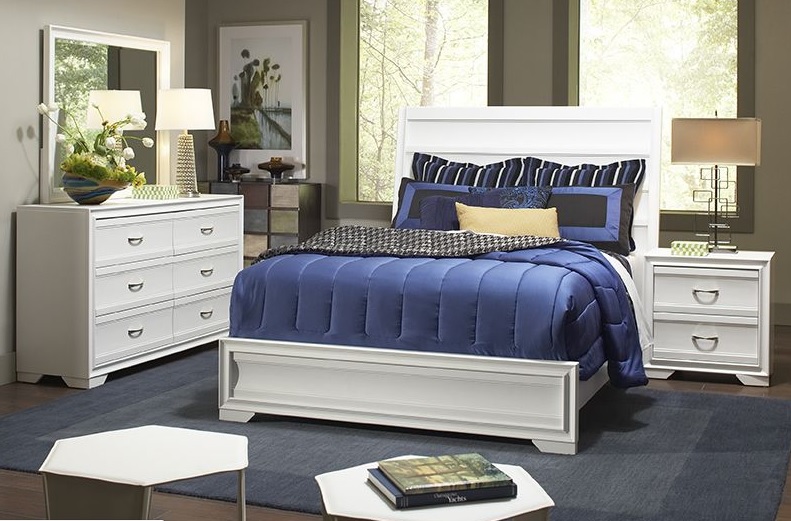
What they typically invest in reflects what travel taught them to value, and space is high on the list. Having learned from hotel beds how much difference room makes, those with the bedroom to spare often trade up, and king size mattresses for a larger bedroom gives them the space and quality their hotel nights taught them to want, ending the nightly crowding of a too-small bed and deepening the recovery sleep they depend on between trips.
And Support
Support is the other lesson that travel hammers home. Frequent travelers, having slept on too many soft, unsupportive hotel mattresses and woken aching, learn to prize proper support over surface plushness. When they invest at home, they tend to choose for support and durability rather than for how a bed feels in the showroom for thirty seconds, because they know from experience which of those matters at four in the morning.
And Temperature
Temperature, too, features in their thinking, since overheated hotel rooms are a recurring misery. Travelers who have lain awake sweating in warm rooms come home wanting a sleep setup that runs cool, favoring breathable surfaces and bedding that release heat. They have felt, repeatedly, what poor thermal conditions do to a night, and they arrange their home bed to avoid repeating it.
The Home Bed as a Symbol of Return
There is a psychological dimension as well. For someone often away, the home bed becomes a powerful symbol of return, rest, and stability, the fixed point in a life of unfamiliar rooms. Investing in it is partly practical and partly emotional: it makes coming home feel like the relief it should be. The bed is where the traveler stops being a traveler for a while, and they want that place to be genuinely good.
Sleep Debt, and the Wider Lesson
Frequent travelers also understand sleep debt better than most, because they live in it. They know that lost sleep is not simply absorbed but accumulates, dragging on mood, health, and performance, and that the only real repayment is good sleep later. The home bed is the instrument of that repayment, which is why they are willing to spend on making it as restorative as possible rather than treating it as an afterthought. They also know the effects are cumulative and quiet, showing up as irritability, fuzzy thinking, and frequent colds rather than dramatic exhaustion, which makes consistent recovery at home all the more worth protecting. Spread across the years a good mattress lasts, its nightly cost is a matter of pennies, a startling contrast for someone who thinks nothing of a three-figure room rate for one night away.
The lesson generalizes beyond people who travel constantly. Anyone whose sleep is regularly disrupted, by shift work, young children, or stress, faces the same logic: the controllable bed matters more precisely because so much else is uncontrollable. Frequent travelers have simply arrived at the insight first, through hard-won experience on a great many other people’s mattresses.
Frequent travelers invest in better home mattresses, in the end, because travel teaches them what sleep is worth and what a good surface contributes to it. They have the comparison, they carry the sleep debt, and they understand the value. Anyone else can borrow the conclusion without logging the miles: the bed used every night, the one a person controls, is the soundest place to invest in sleep, whether or not the next flight is already booked.