Last Updated on November 4, 2026
New Zealand makes it surprisingly easy to overfill a holiday. One minute you are researching lakeside walks; the next, your itinerary includes a glacier, a kayak trip and three towns before dinner. Everything looks worth the detour, which is precisely the problem.
For Australians heading across the Tasman, a short flight can make an ambitious itinerary feel manageable. But an adventure holiday is more enjoyable when you have time to experience a place, rather than simply reach it. Here is how to build a trip with plenty of action and enough breathing room.
Choose a region, not the whole country
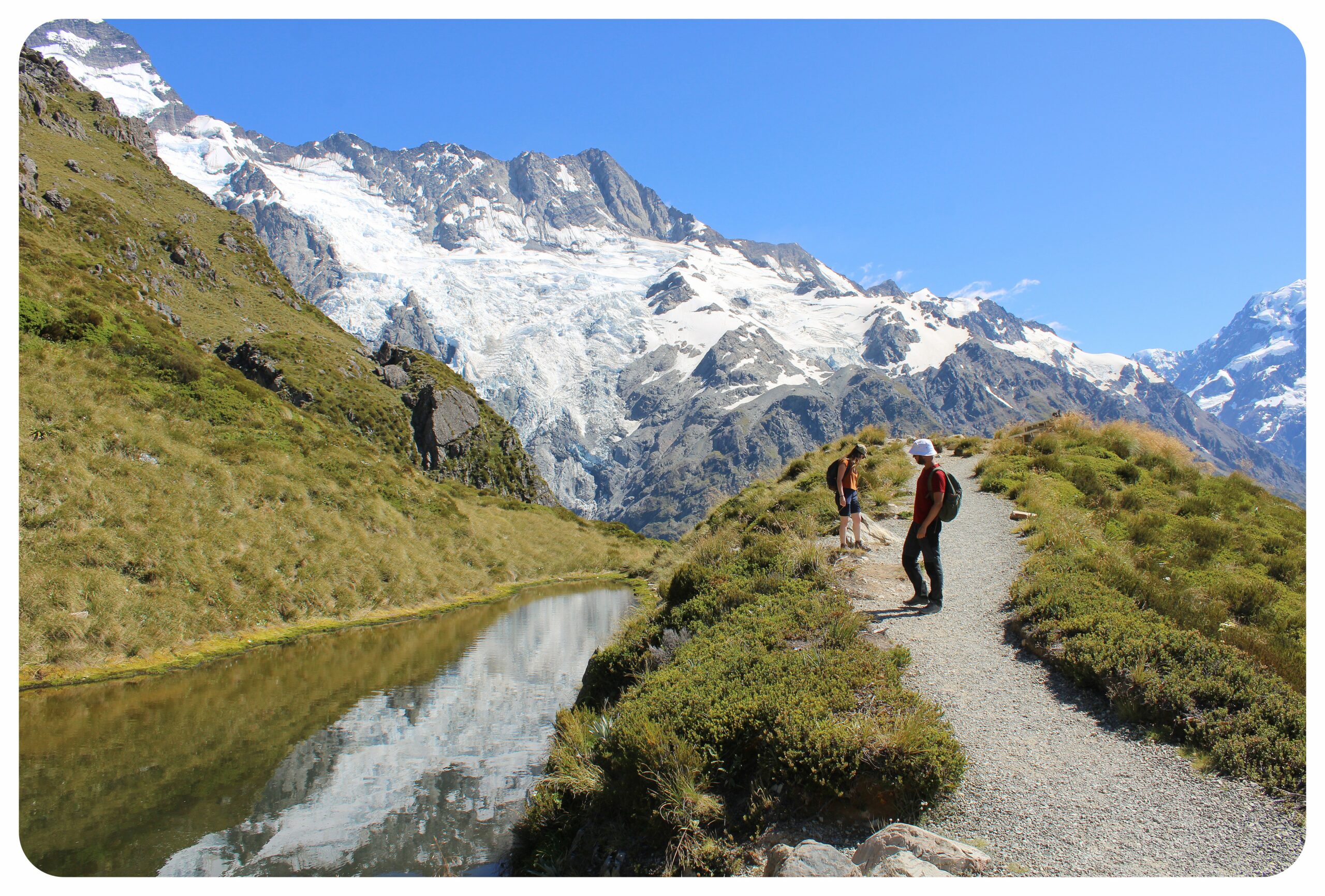
Start by deciding what you actually want from the trip. Forest trails and geothermal landscapes? Consider a North Island break around Rotorua and Taupō. Mountain scenery and lakeside adventures? Queenstown and Wānaka might suit you better.
These are starting points, not a checklist. With a week available, choose one region and resist adding another island just because it looks close on a map. Transfers, packing and checking into accommodation all consume time that could otherwise belong to the outdoors.
Staying several nights in one base also gives you something underrated: a favorite breakfast spot, a familiar walking route and fewer evenings spent repacking.
Think about how you want to get around, too. A rental car offers flexibility, but it also brings driving days and parking decisions. If you prefer not to drive, choose a base with suitable guided trips and confirm pickup locations before booking your accommodation.
Pick one adventure that matters most
Choose a highlight you would genuinely be disappointed to miss, whether that is a guided paddle, a mountain biking lesson or a longer walk. Build the rest of the itinerary around that experience instead of booking something demanding every day.
Read the activity description carefully. Check the expected fitness level, equipment provided, group size and cancellation arrangements. Ask questions before paying, especially if you are trying something unfamiliar. A beginner session should match your starting point, not the confidence of the most adventurous person in your group.
If you are traveling solo, a small guided outing can also provide company without committing you to a fully organized tour.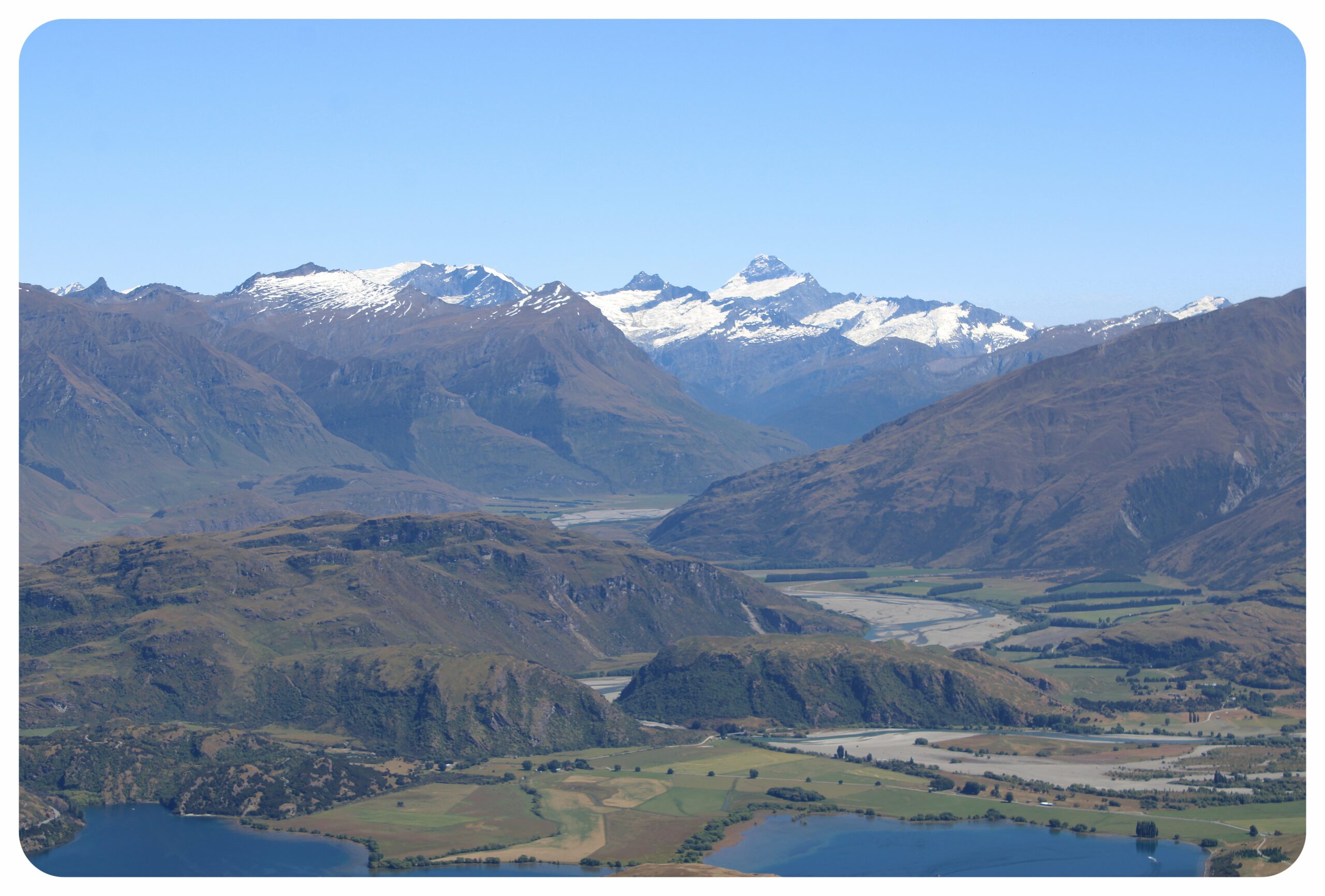
Leave space for the weather
Outdoor plans depend on conditions, so avoid placing your biggest activity on the final morning before your flight. Where possible, book it earlier and leave another day that could accommodate a change.
Keep an alternative that feels like part of the holiday rather than a consolation prize. That might mean a museum, a leisurely lunch or a town walk. Check current forecasts, track information and operator advice before setting out. Turning back or changing plans is sensible travel, not a failed adventure.
Sort the practical details before departure
Save booking confirmations, download maps and share your plans with someone at home. Check transport arrangements too: getting to an activity meeting point can require more planning than the activity itself.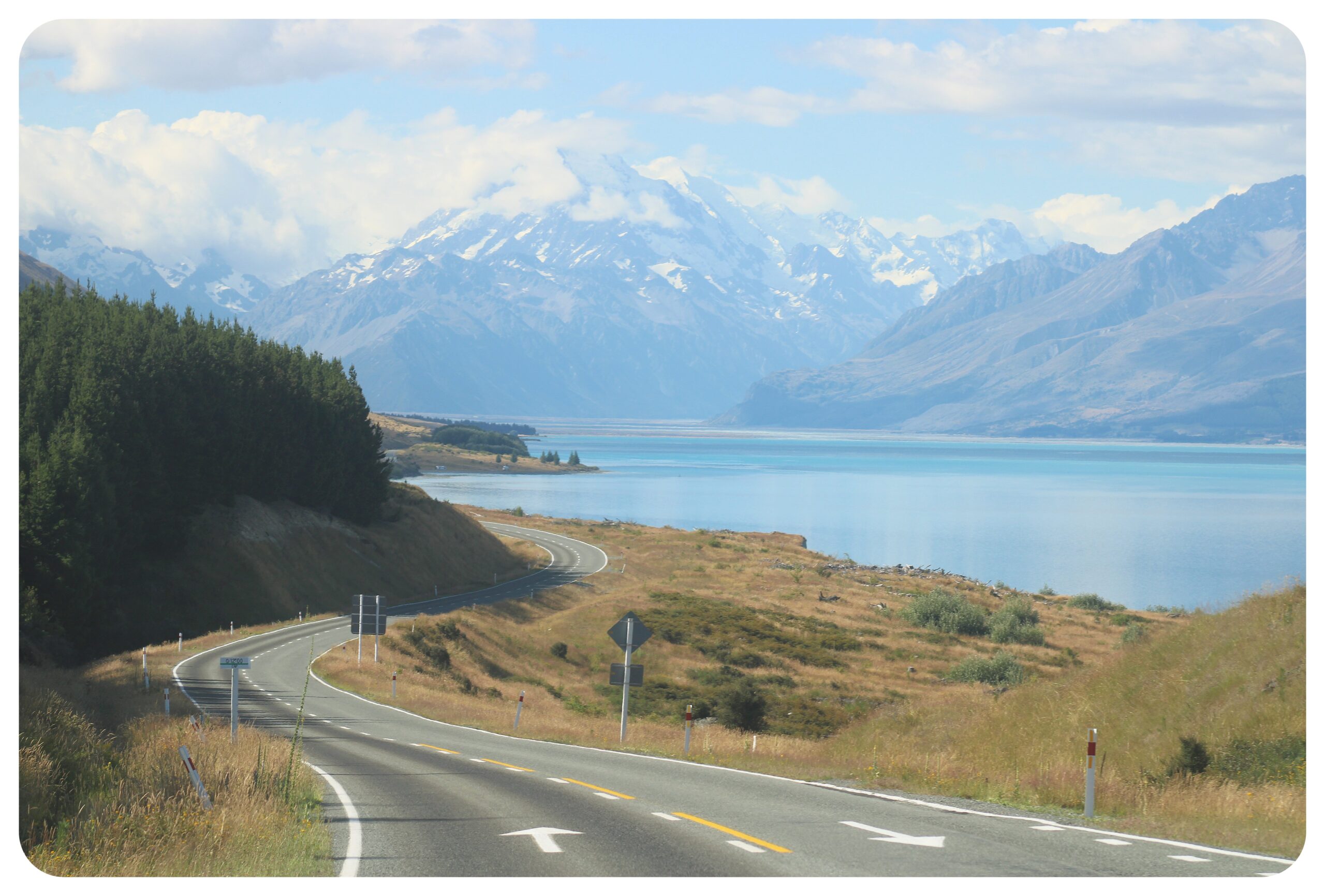 Australian travelers researching travel insurance that covers adventure activities can explore Freely’s activity information as a starting point. Check the current Product Disclosure Statement, eligibility, limits, conditions and exclusions against your actual plans, including whether additional activity cover is required. Do not assume that an activity offered by a tour operator is automatically included in your policy.
Pack for the day you are actually having
Build your day bag around the forecast and the activity, not a generic packing list. Useful basics include water, snacks, sun protection, a waterproof layer and footwear you have already worn. Follow your guide’s equipment instructions rather than guessing what will be provided.
For independent walks, check route difficulty, daylight and current conditions beforehand. Keep your plans within your experience, and remember that a phone map is not a substitute for preparation.
Let the quiet moments count
 Schedule an unhurried morning after a demanding day. Wander to the lake, browse a bookshop or sit somewhere with a view. Those pauses help an active trip feel like a holiday rather than a series of appointments.
You do not have to return with the longest list of activities. A few memorable adventures, chosen well and enjoyed fully, are a much better souvenir than a packed itinerary you barely had time to appreciate.