
Last Updated on September 14, 2026
When you plan a trip abroad, it’s equal parts exciting and scary, especially if it’s your first time. To give you a head start, I’ve put together this guide on how we handled money while traveling Latin America.
I’ve been doing this travel thing for 15+ years, alongside my partner, and have been through a significant portion of Latin America. This includes nine months in Mexico across a couple of visits, a trip to Cuba from North America (not always easy, trust me!), and Costa Rica on a shoestring budget. Plus, we’ve made pretty much every mistake in the book, so you don’t have to.
One thing to say up front: The advice you’ll be reading comes primarily from personal experience, and most of our Latin America trips were in the early 2010s. Banks come and go, so check the specifics before you fly.

Your Route
Here’s my proposed itinerary: Mexico → Belize → Guatemala → El Salvador → Honduras → Nicaragua → Costa Rica → Panama → Colombia → Ecuador.
We’ve traveled to all of these places. Not all on the same trip, some longer than others. But this list is realistic and offers a spread in what you’ll want.
Rather than going country by country, I’ll focus on my method for money management.
Cash or Card?
Contrary to popular assumptions, cards will work in many places in Latin America. In Mexico City and San José, for example, the major tourist hubs, your card will be widely accepted. In Costa Rica and Panama, you’ll find card-friendly infrastructure, to the point that you may not need cash in restaurants and shopping malls.
Nevertheless, cash still dominates for things like public transport, street food, markets, guesthouses, shared shuttles, and pretty much any transaction with an individual or small business. Rural stretches and small towns? Cash is non-negotiable. In Nicaragua, outside León and Granada, for example, your card will essentially be a useless piece of plastic.
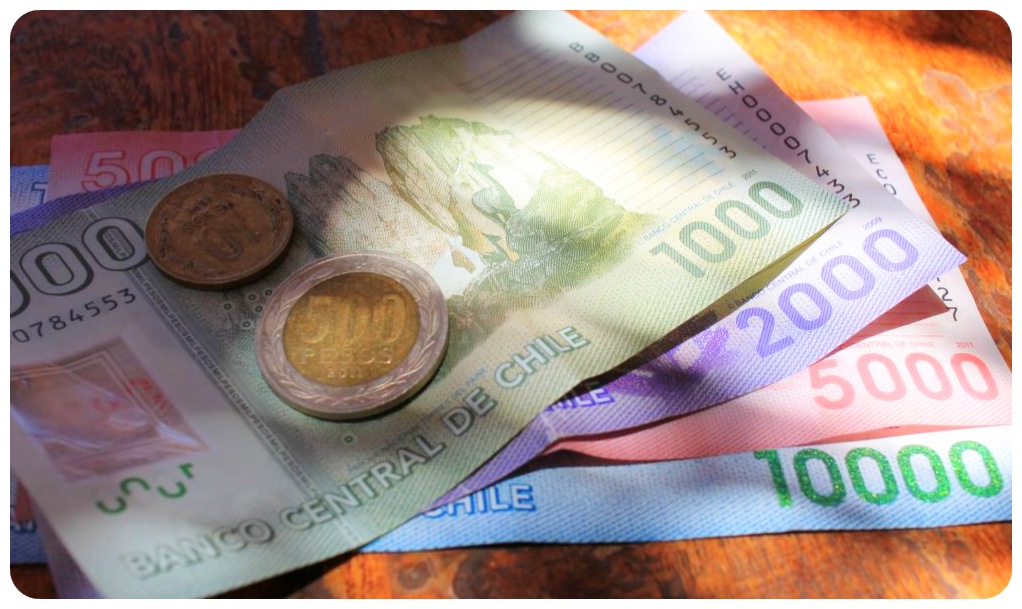
I don’t recommend buying cash at the airport. Get your initial foreign currency from a reputable provider ahead of time. For those in the U.S you can order through Bank of America and pick it up at your local branch. In countries like New Zealand and Australia, you can order online and pick it up at the post office.
Fellow travel blogger Meredith Thomas has spent the last 12 months in Latin America. She says that if you’re looking to save as much money as possible, spending in cash is usually your best choice.
“Vendors in many Latin American countries will often add a 3-5% fee for credit card transactions to cover the processing fees that card operators charge them. Additionally, in some countries, especially Argentina, many vendors will offer discounts if you pay in cash, sometimes as much as 10-15%.
“It’s extra important to pay close attention to your finances while traveling in Latin America, because credit card charges often come through with vendor names that don’t match. Sometimes the charge will come from a parent company, or sometimes it will just be the name of the payment processor. I typically review my charges daily to make sure I recognize everything.”
Why You Should Always Have Dollars
On most of my travels, my backup pouch has one thing: US Dollars. Even if you’re going to a country where it’s not an official currency.
Many providers won’t stock all the currencies you’ll need to buy before your trip. Often they will only have Mexican peso and Colombian peso. Quetzal, lempira, córdoba, colón? You won’t find them on the list.
Dollars will work as a method of exchange for local currencies, but in a lot of countries you can also pay with them. In El Salvador, Panama, and Ecuador, the US dollar is used as legal tender. In 2000, Ecuador even went through a process known as ‘dollarization’, where the US dollar effectively replaced sucres all across the country.
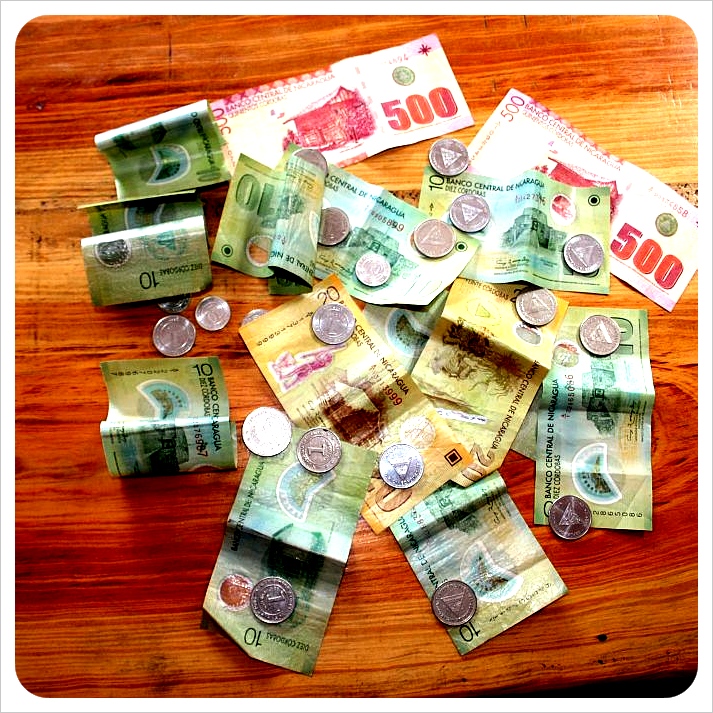
For Guatemala, Honduras, Nicaragua and Costa Rica, you’ll need to change U.S dollars or find an ATM when you get there.
The ‘One Step Ahead’ Method
You always want to stay one step ahead. I look at individual countries and figure out which tend to be more friendly for ATMs and reliable exchanges. I then build a cash buffer, so I’m not caught out.
Most people budget by time, but money doesn’t leave your hands evenly. It goes in lumps. One border crossing can cost you an exit fee, an entry fee, transport and a night’s accommodation before you’ve seen a working bank.
In Costa Rica and Panama, ATMs are common, even outside the capitals. You will also be able to use your card often, so you’ll need a smaller buffer.
For Mexico and Colombia, cities and tourist areas will be fine, but once you get to rural stretches or any of the border regions, it will be harder to top up your reserves.
Ecuador is dollarized, so it’s easy to withdraw cash in major cities. However, you’ll be surprised just how difficult it is to get your hands on dollars in the rural Andean towns.
Belize is essentially a cash-based society that runs on Belize dollars. They’re pegged two-to-one to the US dollar, so dollars go pretty much everywhere. ATMs are clustered, with Belize City being your best bet.
Guatemala, El Salvador, Honduras, and Nicaragua all share a common characteristic: cash reigns supreme. You’ll need a cash reserve. The villages around Lake Atitlán are a good example: gorgeous, and not somewhere you want to arrive empty-handed.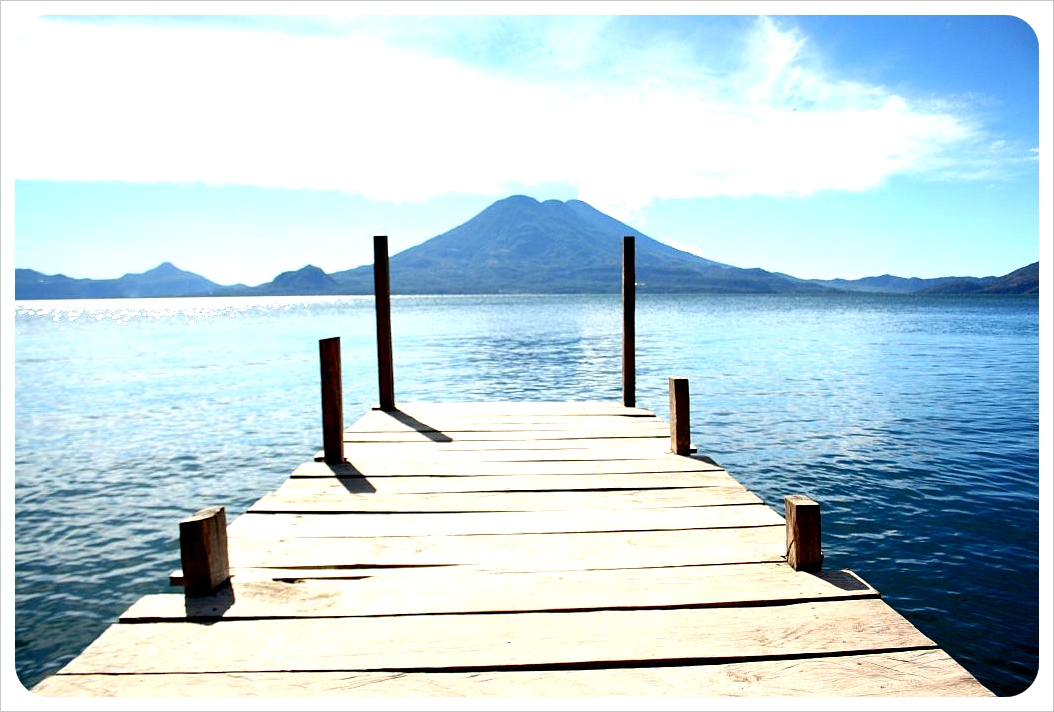
Safety Precautions
Latin America is generally safe, although it does vary by country. Check your own government’s travel advice for each destination before you book. Still, you should take precautions. Though for what it’s worth, I spent ten weeks in Colombia and came away thinking the reputation is wildly out of date.
Split Your Reserves
To stay safe, keep your cash buffer separate from your daily spending money.
Keep your bags locked, even in the hotel. We usually split money across our main luggage and our hand luggage, too. That way, a single theft can’t wipe you out.
Additionally, if you’re spending in cash, you’ll want to keep close tabs on how much you’re spending, as you won’t have a credit card history to look back on. I keep a Notes app tab with all our spending so that I can reconcile it each week.
Save Your Bank’s Contact Details
In case your cards are lost or skimmed, have your bank’s international number saved in your phone, and written down somewhere else in your bag too. That way, you can act straight away. If you can, freeze cards in your bank’s app before doing anything else. Never keep photos of your card numbers on your phone though. Lose the phone and you’ve handed over the cards as well.
Be Selective With ATMs and Exchanges
Standalone street ATMs are far riskier for skimming. Instead, go inside a bank or a shopping center. For exchanges, I like to look them up ahead of time, no surprises.
Avoid shuffling money around in public. This is particularly true if you’re somewhere busy, or at an ATM or border crossing. These are ‘high risk’ areas, where petty theft is more common.
Final Practicalities
Avoid Torn or Marked US Notes
You may think a small tear in your $20 is no big deal, but they’re often refused across the region, even by money changers.
Carry Small Denominations
Like most places, people don’t like to accept big bills for small purchases. Ideally, go for small denominations as much as possible. Bear in mind you don’t get to pick your denominations when you order cash, so break notes at supermarkets or a busy city restaurants, not with a rural bus driver.
Learn to Spot Counterfeit Bills
Before you travel, learn the basics about counterfeit bills. It doesn’t happen as often as the horror stories you find on Reddit, but it takes seconds to have a quick glance and a touch of each note, just to make sure. Money changers in Latin America will be used to people double-checking when exchanging, so don’t worry about sending the wrong message.
Don’t Assume Currencies Will Be Accepted
Before you travel to the next country, confirm you can exchange your leftover (local) money. It may not be as easy as you think, so it may be best to exchange whatever you have left into US dollars before your next stop.