
Last Updated on August 6, 2026
Before anything else, a disclaimer.
Ukraine is at war. As of mid-2026 Russia is still hitting Kyiv with missiles and drones, including some of the deadliest strikes on the city since the full-scale invasion began. This is not a normal city break, and nothing below is a nudge to pretend otherwise. Most governments, including the United States and the United Kingdom, currently advise their citizens not to travel to Ukraine at all. Please read the whole piece, and the safety section in particular, before you even start daydreaming about a trip.
Is anyone actually visiting Kyiv right now? The answer is yes, in modest but growing numbers, and the reasons are more layered than you might expect.
Kyiv was never fully closed to visitors. The capital collected a record amount of tourist tax during the war, revenue in the first half of 2025 reached about 34.8 million hryvnia, roughly 65 percent more than the same period the year before, after a full-year 2024 that already set a wartime high. City officials credit a revival of domestic tourism and an active promotional push rather than a flood of foreign arrivals.
Most of the people filling Kyiv’s hotels and cafes are Ukrainians traveling within their own country, plus a smaller stream of foreign journalists, aid workers, returning diaspora, and what the trade press has started calling solidarity travelers. Official tourism bodies reported a further uptick in visits to cultural and historical sites in spring 2026, though the full-year figures are still pending. Set against the pre-war baseline, the scale stays small. Ukraine welcomed more than 14 million visitors in 2019, and international arrivals remain far below that.
So tourism in Kyiv in 2026 is quietly growing, but it is a fraction of what it once was, and it looks nothing like the pre-2022 weekend-trip crowd.
Is it safe to go to Kyiv?
No, not in the way a normal destination is safe, and it would be dishonest to soften that.
The United States rates Ukraine Level 4, “Do Not Travel”, its highest warning, citing missile and drone attacks that reach even non-frontline regions. The UK gives the same advice against all travel. Ukrainian airspace is closed, so there are no commercial flights, and the country is under martial law with a nationwide curfew. If you go, you are expected to track air-raid alerts on an app, know where the nearest shelter is at all times, and be ready to leave with little warning.
Getting there is its own project. With the airspace shut, there are no flights in. Almost everyone arrives overland, usually flying into a Polish city such as Warsaw or Krakow, crossing the border by bus or car, then taking an overnight train to Kyiv. The trains run reliably and are a story in themselves.
The practical picture on the ground is calmer than the headlines suggest most days, and life goes on with a striking normality between alerts.
Top reasons people still visit, and what you can do
For those who do go, usually with a purpose beyond sightseeing, the city offers more than survival footage would suggest.
The cultural core keeps running. St Sophia Cathedral and its bell tower are open, museums hold exhibitions, and theaters and concert halls schedule around the curfew. The food and coffee scene is genuinely excellent and a point of local pride, from third-wave cafes to restaurants reworking Ukrainian classics.
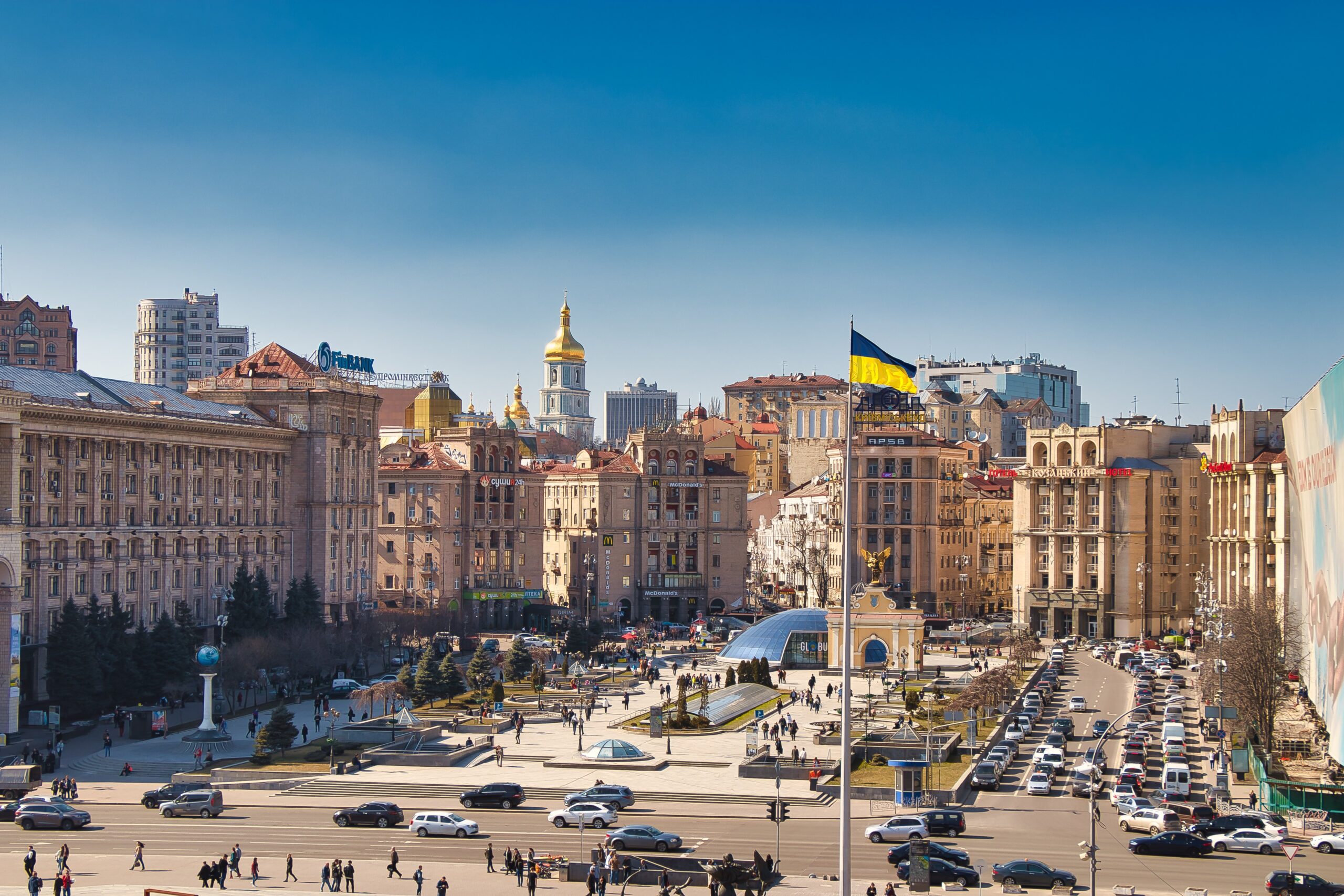
Much of the meaningful travel here is about memory and witness. Independence Square, the improvised memorials of flags and photographs, and guided walks that fold in the events of the past three years give context that no museum plaque could. Many local guides now build the war directly into their tours, because visitors want to understand it rather than look away. Just go in knowing that some sites are damaged or closed, and that a respectful, low-key presence matters more than a full checklist.
The strongest reason people cite is not a sight at all. It is the economy.
Every night in a locally owned hotel, every meal, every tour booked through a Ukrainian guide puts money straight into a wartime economy that needs it.
If you are the kind of traveler who is genuinely equipped for this, spending locally and telling honest stories afterward is a form of support that Ukrainians themselves have asked for.
How to help, whether or not you go
You do not need to set foot in Kyiv to make a difference, and for most people this is the better path.
Give to vetted organizations. Ukraine’s official United24 platform channels donations toward reconstruction, medical aid, and humanitarian needs, and independent funds such as Come Back Alive and Razom for Ukraine have long track records. International groups including UNICEF run programs for families hit by strikes, exactly the households displaced in this summer’s attacks on Kyiv. A modest recurring donation often helps more than a one-off in a crisis news cycle.
If you do travel, spend deliberately. Choose locally owned accommodation, eat at independent restaurants, hire Ukrainian guides, and buy from Ukrainian makers rather than international chains. Bring the receipts home in the form of stories, and share what you saw accurately, without turning a war into content.
Finally, keep paying attention. Solidarity fades when a conflict stops trending, and Ukrainians notice. Following credible Ukrainian journalists, amplifying verified fundraisers, and simply refusing to let the war become background noise all count, and they cost nothing. All images used via Flickr’s Creative Commons Licensing.