
Last Updated on October 11, 2026
Solo travel runs on a quiet arithmetic. Nobody is waiting in the room. Nobody is counting the hours you have been gone. For most of a trip, that is the whole point of going alone.
The arithmetic shifts as the years add up. A turned ankle on a wet trail is an inconvenience at 30 and a real problem at 68. Plenty of independent travelers start reading about monitored devices around then, and Life Assure keeps a side-by-side page on the best medical alert systems in Canada.
Life Assure is a Canadian company, and its monitoring service is available to customers in Canada only. The people who read this blog are scattered across dozens of countries, from Lisbon to Lima, so almost none of you could sign up even if you wanted to. The comparison still works as a map of the categories.
Who Raises the Alarm When You Travel Alone?
At home, an ordinary week does this job without anyone deciding to. A neighbor sees the curtains stay shut. A colleague notices the empty desk. Somebody calls by the second day.
On the road that rhythm vanishes. Guesthouse staff assume you caught the early bus. The friend you messaged from the airport assumes you are busy. Silence reads as a good trip rather than a bad one.
This is why search and rescue services keep pushing the same unglamorous habit. AdventureSmart’s guide to leaving a trip plan sets out what to write down and who should hold it. That is 10 minutes of paperwork, and it decides whether a search starts tonight or on Thursday.
Three things tend to go missing when nobody is expecting you:
- The hour at which your absence becomes strange rather than normal.
- The name of the person with authority to make calls on your behalf.
- Any record of where you actually meant to be that day.

What Changes About Solo Travel After Sixty?
Not the appetite. The margin.
Most of what shifts is recovery time and the cost of small mishaps. Dehydration takes longer to shake off. A medication schedule does not care that the ferry was delayed. The UK’s travel health service sets out the practical side in its factsheet for older travelers, covering medicine supplies and pre-trip checks.
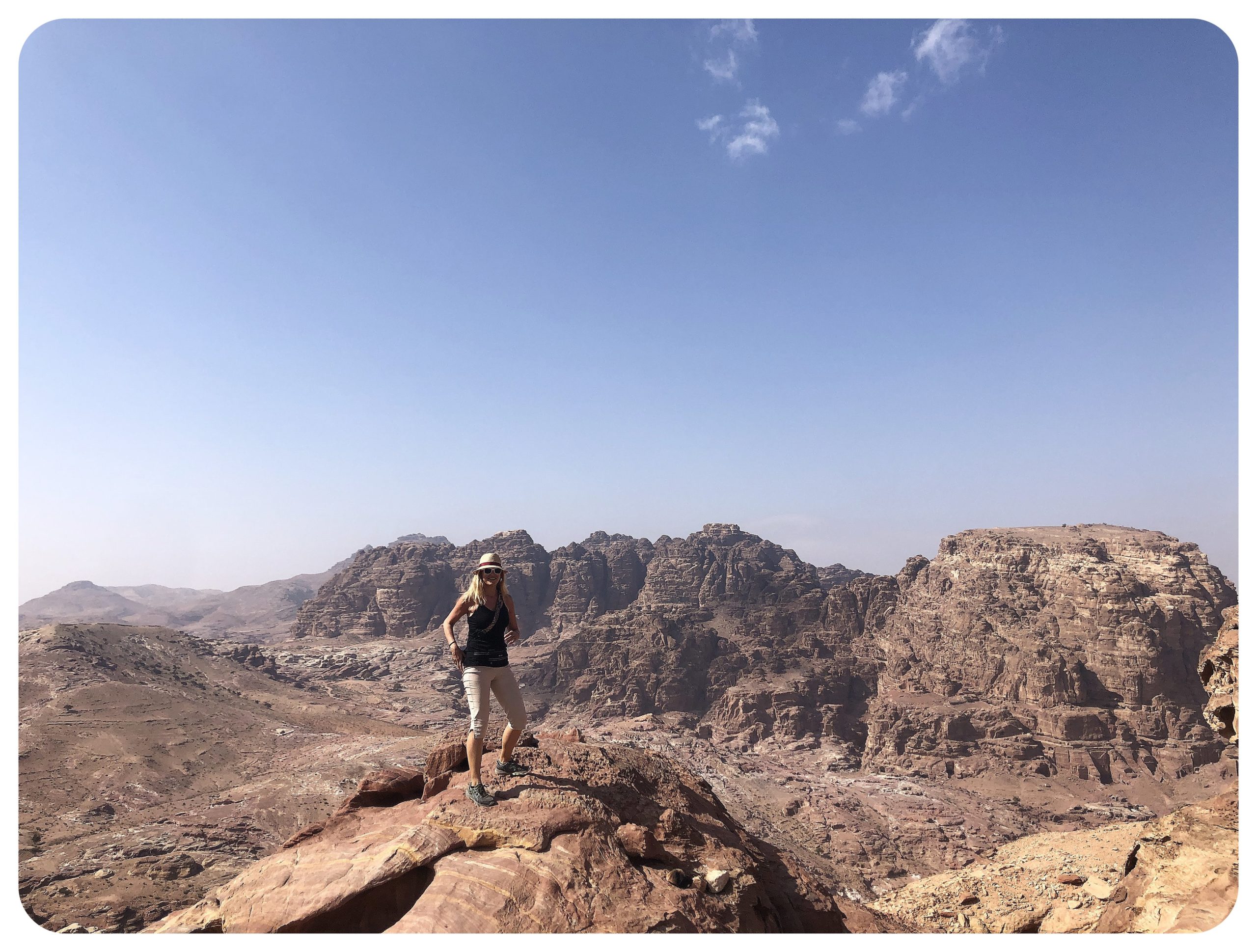
Remote trips sharpen all of it. A long day hiking alone in Patagonia can reach the point where phone signal stops mattering, because nobody is checking anyway. The trail turned out fine. The plan for if it had not been fine was thin.
Well-trodden routes hide the same gap more politely. The Gulf Island route in Thailand is friendly and busy. That is reassuring right up to the moment you are alone on a bungalow floor at 2 in the morning.
How Does a Monitored Device Differ From a Check-In App?
An app tells your people something. A monitored device tells somebody whose actual job is to act on it.
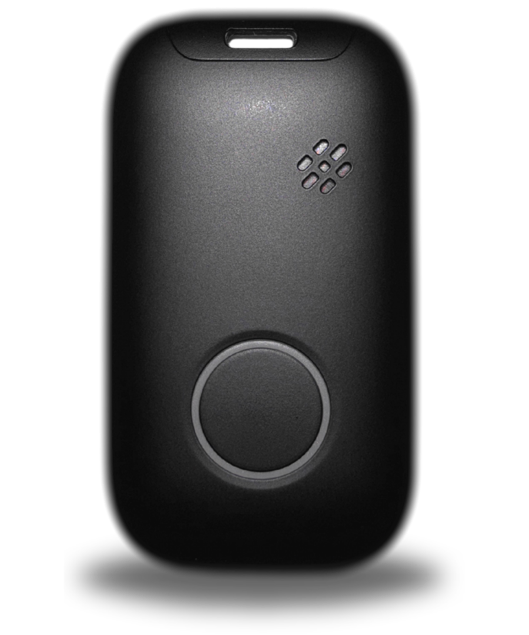
Press the button on a modern unit and it opens two-way voice to Medical Alert Specialists. Three things then happen without you organizing them:
- Somebody talks to you through the unit and works out what is actually wrong.
- Your location reaches the desk without you reading out a street name.
- The contact list is worked through in the order you set it.
Fall detection can start all of that when you cannot press anything at all. It matters most in bathrooms and on stairs, which is where the awkward falls happen.
The real distinction is who carries the responsibility. An app hands your emergency to whoever happens to glance at a phone. A monitored service hands it to a desk staffed 24/7. With nobody in the next room, that is not a small difference.
How Do You Compare Medical Alert Devices Without Drowning In Spec Sheets?
Comparison pages run long because manufacturers list everything they have. Six questions settle most of it.
- Where does it work? Home-only units and mobile units solve different problems.
- What network does the mobile unit ride on, and does that network exist where you go?
- How long between charges, and does it warn you before it dies?
- Would you actually wear it all day? A neck cord, a wrist strap and a pocket clip get very different reviews.
- Does fall detection come as standard, or is it switched on separately?
- Who answers, and are they awake at 3 in the morning?
Then ask the things a spec sheet cannot answer. Call the Seniors Advocates at any provider and ask what happens if you are abroad. A firm that answers plainly is telling you something useful. A firm that changes the subject is telling you more.
Coverage deserves particular attention. Most of these devices lean on cellular networks, which is why so many are sold inside one country only.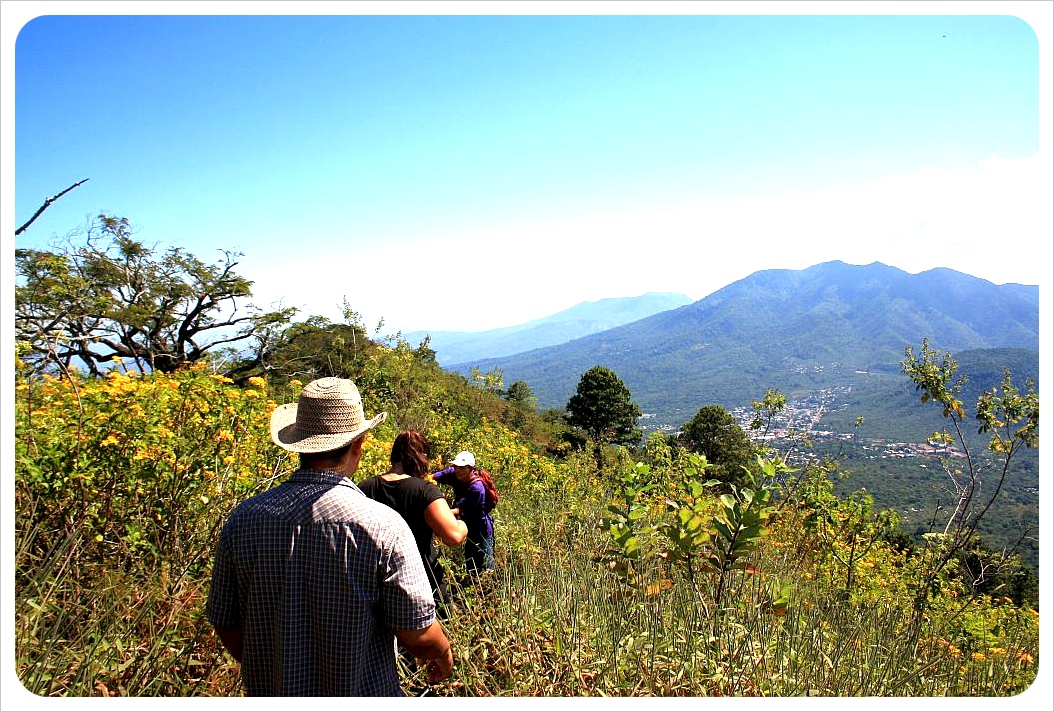
What Does a Home Base Add When You Are Rarely Home?
Plenty of solo travelers are away 8 weeks a year and at home for the other 44. The home half is where most falls actually happen.
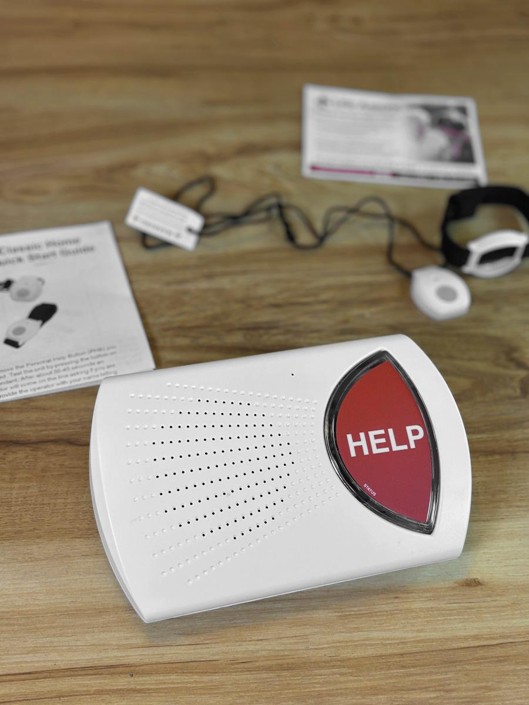
A base station sits on a table, listens for the pendant or the wristband, and opens the same voice line. It asks nothing of you once it is plugged in. For a returning traveler it covers the jet-lagged nights, which are quietly the riskiest ones.
Frequently Asked Questions From Solo Travelers
Will a Monitored Device Work In Another Country?
Usually not. Most services are licensed and networked within one country, and the desk answers domestic emergency services. Ask the provider before you fly rather than after you land.
What Should I Set Up Before a Trip Instead?
Write a trip plan, leave it with one named person, and agree a check-in time you will genuinely keep. Save the local emergency number in your phone and carry a paper copy in your bag.
Is Fall Detection Worth Having If I Am Fit?
Fitness does not prevent wet rock. It earns its place if you walk alone in quiet places, and much less if you rarely leave a busy street.
Do I Have to Tell My Family I Bought One?
No, although the device is close to useless if nobody knows to expect a call. Tell the one person who would be phoned first.
What the Safety Net Actually Gives Back
A device does not make you cautious. It removes the reason to be.
Travelers who set this up tend to go further afterward, not less far. The plan stops circling in their head before dawn. Somebody knows where they meant to be, somebody answers if the button gets pressed, and the trip goes back to being a trip.