Last Updated on August 7, 2026
Every unforgettable trip has a backstory that started well before the plane ticket was ever purchased. The version of travel that looks effortless online, someone posting from a beach in Thailand or a café in Lisbon, is almost always the result of planning that began months, sometimes years, earlier.
The flight is the easy part. The groundwork is where the real trip gets built.
Why Memorable Trips Are Usually Planned, Not Spontaneous
Spontaneity makes for a good story, but it rarely makes for a good trip. The travelers who come home with the richest experiences tend to be the ones who gave themselves time to prepare, not just logistically but financially.
A few habits show up again and again among people who travel well and often:
- They set a destination or timeframe early, even if the details stay flexible
- They separate “travel money” from everyday spending so it isn’t accidentally spent elsewhere
- They research costs realistically instead of guessing
- They build in a buffer for the unexpected
None of this requires a large income. It requires lead time and consistency, which is exactly why the planning phase deserves as much attention as the destination itself.
Small Savings Habits That Make Travel Realistic
Big trips rarely come from big, one-time windfalls. They come from small, repeated decisions that add up quietly in the background.
Some approaches that make a real difference over time:
- Redirecting a fixed amount from every paycheck into a dedicated travel fund
- Cutting one recurring expense and rerouting that money toward travel instead
- Using windfalls, tax refunds, bonuses, cash gifts, as fund boosters rather than spending them elsewhere
- Tracking progress visually, since watching a number grow tends to reinforce the habit
The goal isn’t to save aggressively for a short burst and burn out. It’s to build a system that keeps working even when travel isn’t top of mind.
How Automated Savings Remove Decision Fatigue
The biggest threat to a travel fund isn’t a lack of income. It’s decision fatigue. Every time saving requires a conscious choice, there’s a chance the choice gets skipped.
Automation solves this by removing the decision entirely. A recurring transfer set up once continues working in the background, whether or not travel is on someone’s mind that week. This is also where the fund itself starts to matter, not just how much goes in, but where it sits.
This is often the point where people start asking questions about how their savings actually grow beyond what they deposit. It’s a fair question worth asking early: what does compound interest mean, and how can it work in a traveler’s favor over several years? Understanding this is useful context for anyone parking travel savings somewhere that earns interest instead of sitting idle, since the growth adds up quietly alongside the deposits themselves.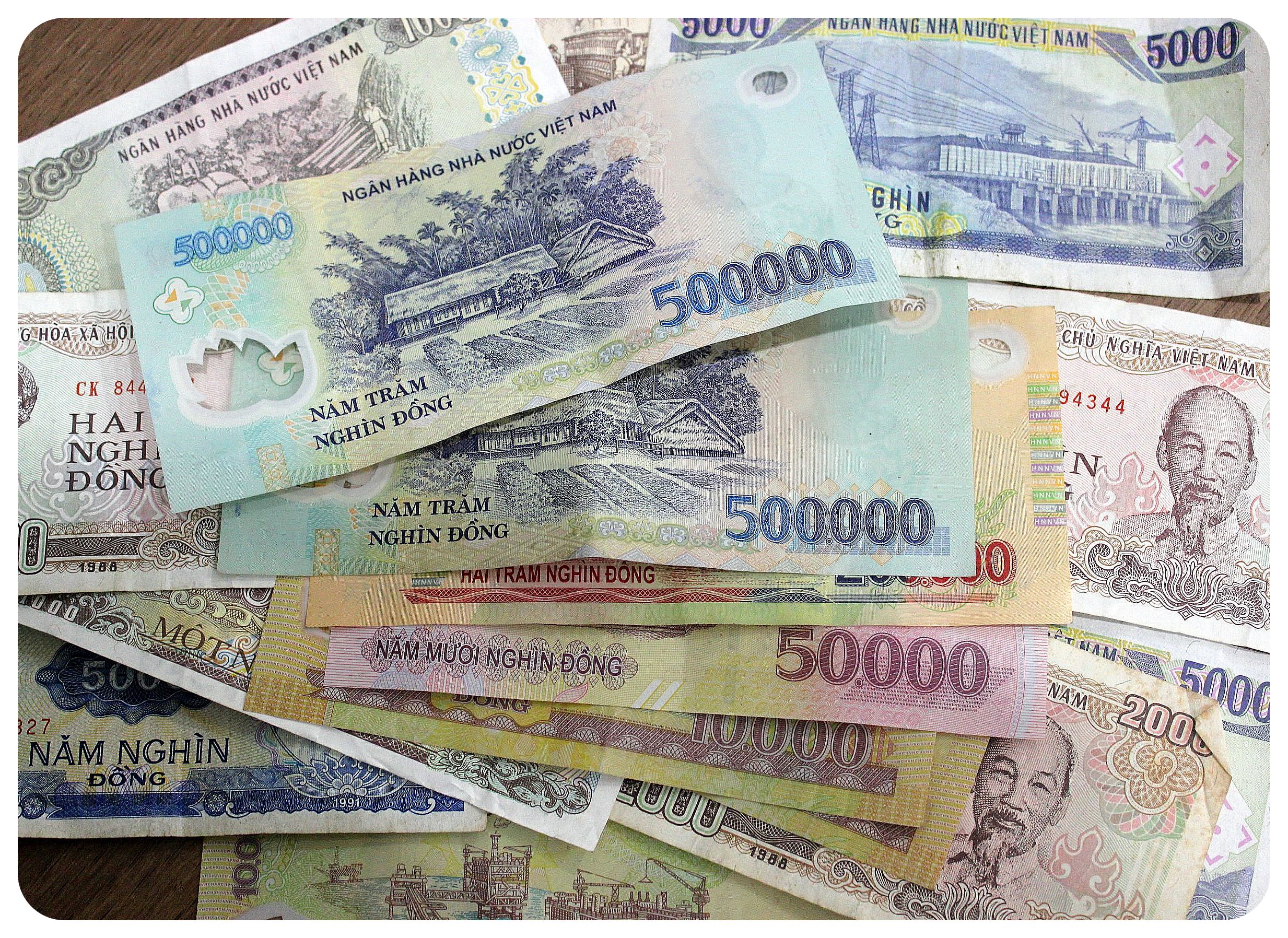
Planning Beyond Airfare
Airfare is usually the most visible cost, which is exactly why it’s easy to overplan for it and underplan for everything else. A realistic travel budget accounts for the full picture:
- Visas – requirements and processing times vary widely and can affect timing, not just cost
- Insurance – travel and health coverage that protects against the trip-ending scenarios no one wants to plan for
- Local transportation – trains, taxis, rideshares, and transit passes that add up fast once on the ground
- Emergency funds – a separate cushion for the unplanned, lost luggage, missed connections, sudden itinerary changes
Skipping these categories is one of the most common reasons a trip that looked affordable on paper ends up feeling stressful in practice.
Consistency Beats Large One-Time Deposits
The travelers who make it to the places on their list rarely got there through one lucky break. They got there by treating travel as something worth preparing for consistently, long before there was a flight to book. Small, steady habits, automated where possible, tend to outperform the occasional large deposit that never quite becomes a routine.
The flight is just the final step. The trip itself starts much earlier, in the habits built quietly in the months and years before departure.