

Last Updated on November 23, 2026
Working from a laptop in a new country every few months sounds like freedom, and in many ways it is. Yet the same lifestyle that frees you from an office also strips away most of the safety nets people rely on at home. There is no family down the road with a spare room, no employer covering sick days and no easy way to handle a large, unexpected bill far from home.
A travel emergency fund fills that gap. It isn’t a vacation budget or savings for something fun. It’s money set aside for the moments when plans fall apart, kept somewhere you can reach from any time zone. Building one takes a bit of planning, a clear target and the right place to keep it.
Why Nomads Need a Different Kind of Safety Net
The standard advice is to save three to six months of expenses. That rule assumes you have a fixed address, a steady paycheck and people nearby who can help. A nomad’s life usually breaks all three assumptions, so the fund has to work harder.
Income That Moves With You
Many remote workers freelance or run their own small businesses. Clients pay late, and contracts can end with little notice. At home, a slow month might mean eating out less. Abroad, that same slow month can arrive just as a visa renewal fee or a rental deposit comes due in a city you’ve only just moved to.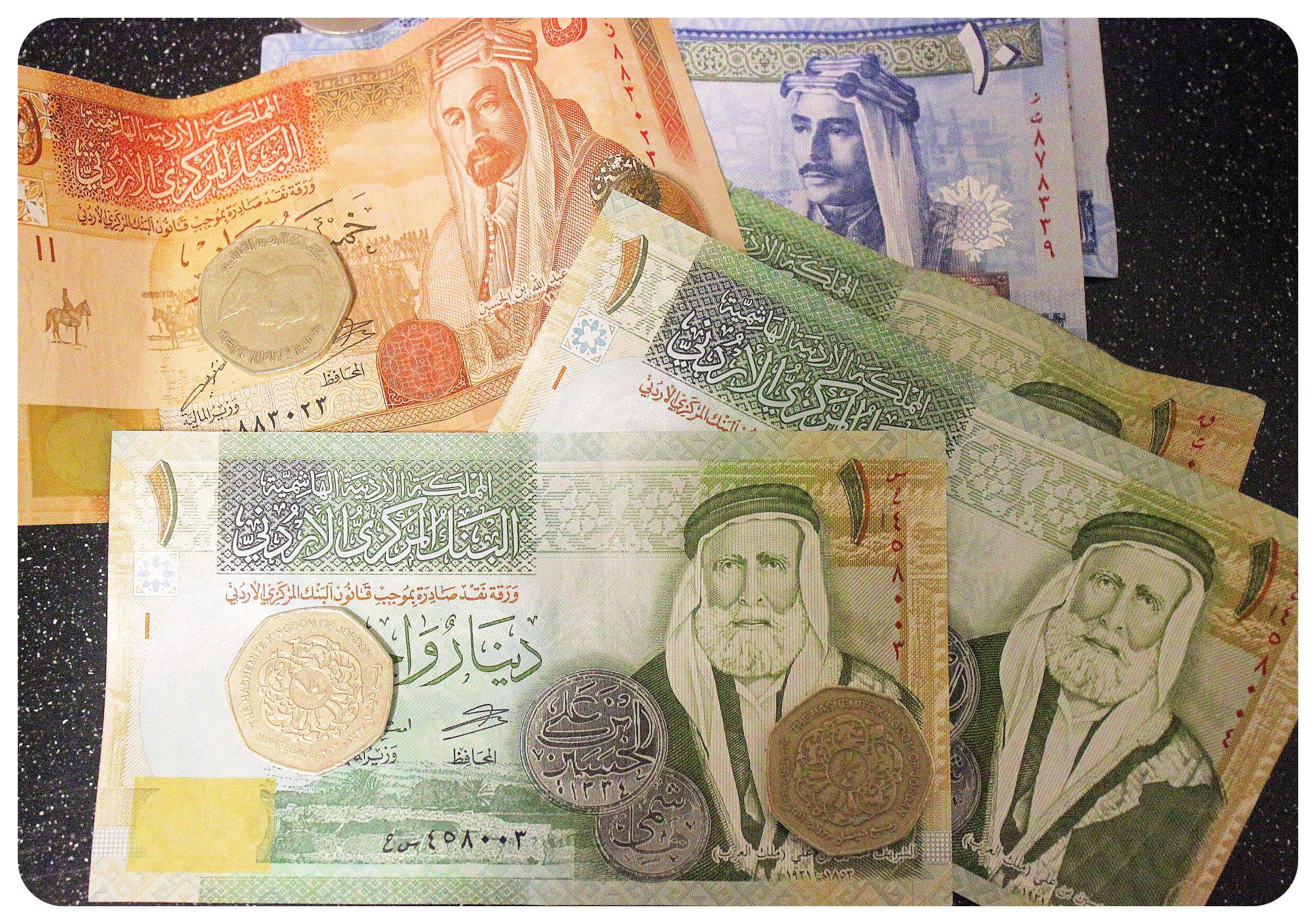
Costs That Show Up Without Warning
Life on the move also brings costs that rarely come up at home. A sudden change in border rules can force you onto a last-minute flight. A lost phone has to be replaced at tourist prices. A hospital may ask for payment upfront, while your insurer takes weeks to reimburse you. These situations are more common than most people expect. Over a few years of travel, most nomads will face at least one.
How Much Should You Save?
Once you understand why the fund matters, deciding how big it should be gets much easier. The right number depends on your situation, but you can work it out with a few simple calculations.
Start With Your Monthly Spending
Add up what you actually spend in a typical month, including rent, food, coworking, insurance, software subscriptions and transport. Use your real bank statements rather than the budget you meant to follow. Multiply that total by six to get your baseline. If your income is irregular, aim for closer to nine months.
Add a Flight-Home Buffer
On top of your living costs, set aside enough for a one-way ticket home, booked at short notice from the most remote place you plan to visit. Last-minute fares can cost two or three times the usual price. This is the expense people most often forget, and it’s frequently the first one they need.
Account for Currency Swings
If you earn in one currency and spend in another, exchange rates can quietly shrink your cushion. Keep the fund in the currency you earn, or the one you’d use if you moved home, and add about 10 percent to your total to absorb any swings.
Where to Keep the Money: The Case for High Yield Savings Accounts
With a target in mind, the next step is choosing where the money will live. A checking account makes it too tempting to dip into, and investments can lose value right when you need the cash. For most nomads, a high yield savings account offers the best balance.
How They Work
These accounts work just like regular savings accounts, but they pay far more interest, often several times the national average. Most are offered by online banks, which save money by not running branches and pass part of those savings on to customers. Interest typically compounds daily or monthly, so your balance keeps growing even in months when you don’t add anything. Rates are variable and tend to follow central bank decisions, so it’s worth checking yours once or twice a year.
Why They Suit Life on the Road
An emergency fund needs to be safe, easy to access and simple to manage online. Many nomads keep their reserves in high interest savings accounts because they meet all three needs. Transfers to a linked checking account usually clear within a day or two, and you can manage everything from an app without ever visiting a branch. The interest also helps your money keep pace with inflation, which matters when it may sit untouched for years.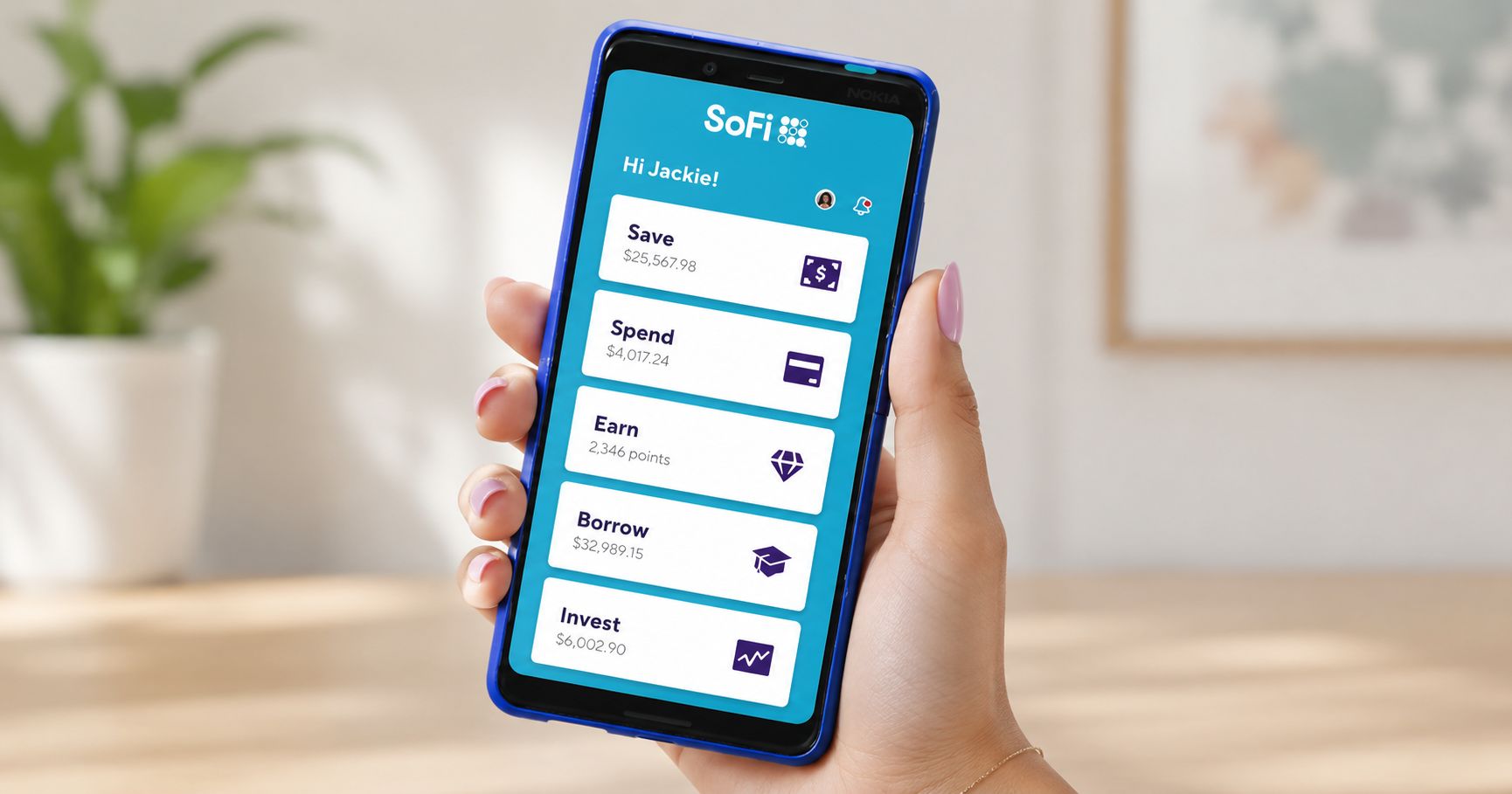
What to Check Before You Open One
Look for an account with no monthly fees and no minimum balance. Next, make sure your deposits are protected. In the United States, that means confirming the bank offers FDIC deposit insurance coverage, which protects up to $250,000 per depositor, per bank, for each ownership category. Finally, read the fine print on overseas access. Some banks flag or block logins from abroad, and that’s not something you want to discover in the middle of a crisis.
Building the Fund Without Putting Your Travels on Hold
Once the account is open, the work shifts to filling it. Few people can deposit six months of expenses all at once, and that’s perfectly fine. Regular contributions will get you there sooner than waiting until you can save a large sum.
Automate a Transfer Each Month
Set up an automatic transfer from your checking account for the day after you get paid. Even small amounts add up over time. Automating the transfer also spares you the monthly debate about whether you can afford it.
Put Windfalls Straight Into the Fund
Tax refunds, client bonuses and returned rental deposits are easy to spend without a second thought. Sending them directly to your emergency fund can help you reach your goal months ahead of schedule.
Use Slow Travel to Save Faster
Staying in one place for two or three months often means lower monthly rent and fewer transport costs. These slower stretches are ideal for building up your reserves, and you can pick up the pace again once the fund is complete.
Making Your Fund Accessible From Anywhere
A healthy balance only helps if you can reach the money when something goes wrong. That means planning ahead for a lost card, a stolen phone or a dropped internet connection.
Spread Access Across Cards and Banks
Carry at least two debit or credit cards from different banks, and keep them in separate bags. If one is lost or frozen, the other will keep you going while you sort out the problem. A backup phone number for two-factor authentication codes is also a smart addition.
Register and Stay Informed
U.S. citizens can sign up for the Smart Traveler Enrollment Program so the nearest embassy can contact them during a natural disaster or civil unrest. Before each move, it’s also wise to review the State Department’s official travel advisories for any risks that could drain your fund.
Conclusion
A travel emergency fund isn’t about expecting the worst. It’s about keeping your options open. The freedom of remote work depends on being able to handle a setback without cutting your trip short or taking on debt. With a realistic target, a safe home for your savings and steady habits to build them, that freedom becomes far more secure. Once your fund is in place, life on the road feels less risky and much easier to enjoy.