
Last Updated on April 21, 2026
Travel memories often accumulate without much notice, gradually turning into boxes of photos, outdated tapes, and forgotten keepsakes. Each item once felt worth keeping, but over time, the volume makes it harder to revisit anything meaningfully.
Nostalgia plays a role, but so does the habit of postponing decisions that feel time-consuming or emotionally loaded. Do you really need to keep everything to remember a trip, or just the parts that still resonate? Taking a more intentional approach allows you to preserve what matters while letting go of what no longer adds value.
Start Simple and Don’t Overthink the Process
The biggest mistake people make when dealing with old travel clutter is trying to create a perfect system before they even begin. That usually leads to hesitation and, eventually, doing nothing at all. A simple three-category approach like “Keep, Digitize, Let Go” is more than enough to get started and maintain momentum.
Instead of analyzing every item in detail, make quick, practical decisions based on whether something truly matters to you today. Do you actually revisit this item or does it just sit in a box? That one question alone can help you move through things faster than any complex system.
It also helps to limit how much time you spend in one sitting so the process doesn’t feel overwhelming. Even 20 to 30 minutes is enough to make visible progress and build consistency. As you go, physically separate items into clearly defined piles or containers so you don’t lose track of decisions.
This keeps things organized and prevents you from re-evaluating the same items repeatedly. The goal here isn’t perfection, it’s progress that gets easier with each session.
Old Travel Photos: What’s Worth Keeping?
Sorting through old travel photos can be both enjoyable and surprisingly time-consuming, especially when you realize how many duplicates or near-identical shots you have. Start by grouping photos by trip, location, or year to give the process some structure.
Once everything is roughly organized, focus on keeping images that actually capture a moment, a feeling, or a meaningful detail. Do you need five versions of the same landmark from slightly different angles? Probably not, and removing those extras can significantly reduce the volume without losing value.
For physical photos, scanning the most important ones ensures they are preserved even if the originals fade or get damaged over time. When it comes to digital photos, organization matters just as much as selection. Creating simple folders with clear names makes it far more likely that you’ll revisit those memories in the future.
Instead of letting thousands of images sit untouched, consider turning a small selection into albums or prints that you’ll actually see and appreciate. The goal is to shift from storage to accessibility, where your memories are easy to find and enjoy.

Still Have VHS Tapes? Here’s Where to Start
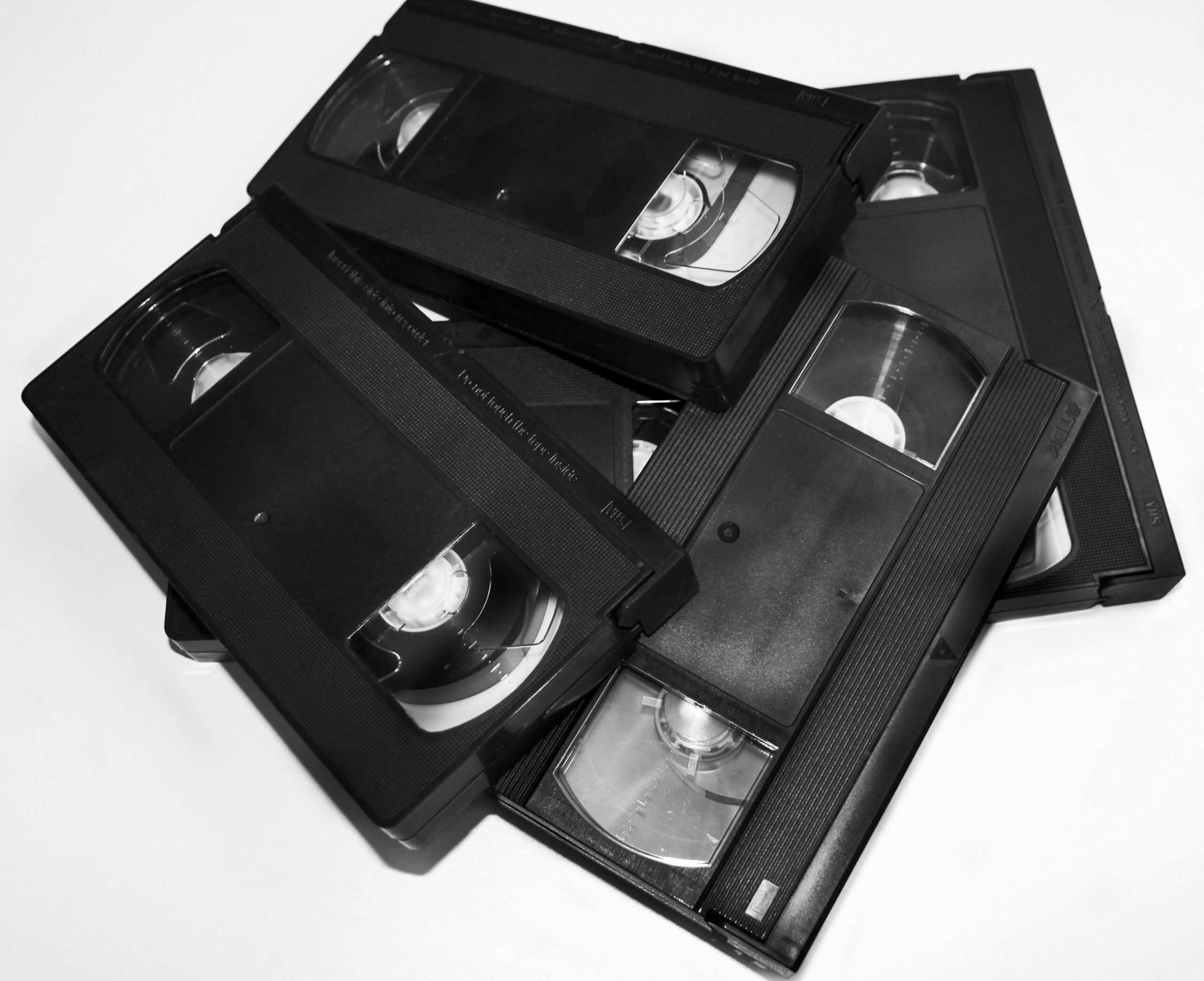
VHS tapes often hold valuable travel footage, but they can also take up space and become difficult to access over time. Before deciding what to do, take the time to check what’s actually on each tape, since labels are often missing or inaccurate.
You might discover that some tapes contain moments worth preserving, while others are less meaningful than expected. Is it worth converting hours of footage you’ll never watch again? Being selective here can save both time and effort later.
Once you’ve identified what matters, converting those tapes into digital formats is the most practical next step. Digital files are easier to store, organize, and revisit without relying on outdated equipment. After conversion, label everything clearly so you know exactly what each file contains without needing to open it.
This small step makes a big difference when you want to find something later. Instead of letting tapes collect dust, you’re turning them into something usable and accessible.
Souvenirs and Random Keepsakes: Keep Less, Enjoy More
Souvenirs tend to accumulate quietly over time, often without much thought in the moment. What starts as a small reminder of a trip can quickly turn into a collection of items that no longer hold strong meaning.
When sorting through these, it helps to ask yourself whether each item still connects you to a specific memory or experience. If you have to think hard about where something came from, it may not be worth keeping. This doesn’t mean letting go of everything, but rather focusing on what truly stands out.
Keeping a few meaningful items from each trip can be far more impactful than holding onto everything. When you reduce the volume, the items you keep naturally gain more significance. Consider displaying or repurposing certain pieces so they become part of your daily environment instead of staying hidden away.
At the same time, it’s important to let go of items that serve no real purpose or emotional value. By doing this, you create space for memories that feel more intentional and easier to appreciate.
Digitizing Your Memories Without Creating More Clutter
Digitizing is often seen as the solution to physical clutter, but it can easily become a different kind of problem if not handled carefully. Saving everything without structure leads to digital overload, where files exist but are rarely accessed.
The goal should be to preserve what matters while keeping things manageable and easy to navigate. Do you really need to keep every single file, or just the ones that represent meaningful moments? Being selective during the digitization process is just as important as it is with physical items.
Once files are digitized, organizing them properly makes a significant difference in how useful they are. Simple folder structures and clear naming conventions can save time and frustration later.
Backing up your files ensures that your effort isn’t lost due to technical issues, but it’s important not to rely on a single storage location. At the same time, avoid over-complicating your system with too many layers or categories. The simpler it is, the more likely you are to maintain it over time.
Make It Easier Next Time You Travel
Dealing with past clutter is much easier when you start thinking about future habits at the same time. Instead of repeating the same patterns, decide in advance what kinds of items are worth keeping from each trip.
This small shift in mindset can prevent unnecessary accumulation and make future sorting much simpler. When you’re more intentional about what you bring back, you naturally reduce clutter without feeling like you’re missing out. It becomes less about collecting and more about choosing.
Another helpful habit is organizing photos and videos shortly after returning from a trip. When everything is still fresh, it’s easier to identify what matters and what doesn’t. Waiting too long often leads to large, unorganized collections that feel difficult to tackle later.
Building a simple routine (sorting, naming, and storing files early) keeps things manageable over time. With a few consistent habits, you can enjoy your travel memories without letting them turn into another backlog to deal with later.
Conclusion
Sorting through old travel items is less about discarding the past and more about making it easier to access and enjoy. A smaller, more organized collection gives each memory more clarity and relevance, instead of burying it among things you rarely revisit.
Letting go of excess doesn’t erase experiences, it highlights the moments that still matter. Would you rather have boxes of untouched items or a curated set of memories you can actually revisit? Starting with a few simple decisions creates a system that keeps your memories alive without the clutter.