Last Updated on August 5, 2026
When travelers picture Nepal, their minds almost instantly jump to one iconic silhouette. But if you think this Himalayan nation is only for hardcore mountaineers aiming for Base Camp, you are missing out on the majority of its wild, diverse beauty. Beyond the crowded trails of the Khumbu region lies an entire playground of extraordinary experiences. From navigating deep glacier-fed river gorges and riding thermals high above alpine lakes, to exploring arid high-altitude deserts and tracking Bengal tigers on foot through subtropical jungles, Nepal delivers a thrilling adventure for every type of traveler.
1. Trek Through the Annapurna Region
Nepal is home to some of the world’s most spectacular trekking routes, and the Annapurna Circuit is one of the best choices for travelers seeking a true Himalayan adventure. Compared with the longer and more demanding Everest Base Camp trek, the Annapurna region offers a variety of routes that can be tailored to shorter trips and moderate trekking levels.
When you trek through Annapurna you will get exposed to rich Gurung and Thakali cultural heritage, natural hot springs at Jhinu Danda, and views of Machhapuchhre (Fishtail Peak) and Dhaulagiri.
2. Traditional Mad Honey Hunting in the Foothills
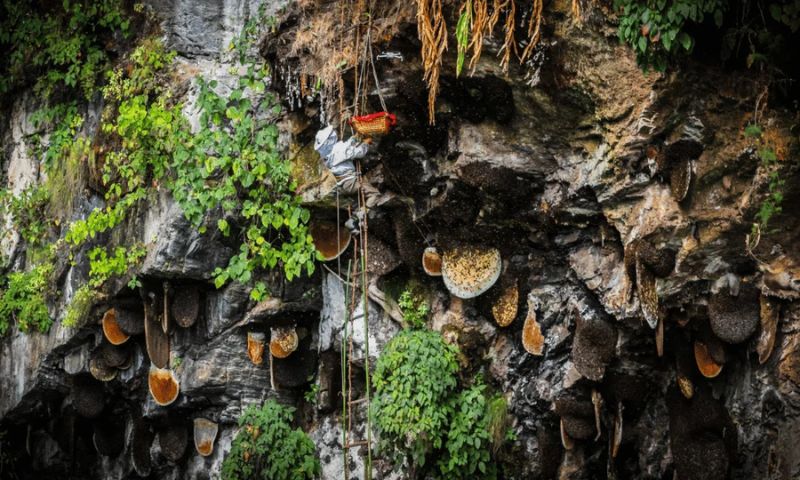
If you’re looking for a true, once-in-a-lifetime Nepal adventure beyond the usual mountain treks, mad honey hunting should be near the top of your bucket list. This rare wild honey is famous for its unique effects, as consuming too much can cause dizziness, nausea, and other intoxicating effects. These effects are linked to naturally occurring grayanotoxins, which enter the honey when Himalayan giant honey bees collect nectar from certain rhododendron flowers during the blooming season.
You can witness the traditional honey-hunting process, learn about the culture and traditions of the local honey hunters, and discover why this rare honey has long been known for its distinctive effects.
3. White-Water Rafting on the Sun Kosi or Bhote Koshi
If you are someone who loves rafting seti river (Sun kosi) in Nepal. This river is fed by Himalayan glaciers, Nepal’s river networks create some of the world’s most thrilling whitewater runs. The Bhote Koshi delivers continuous Class IV-V rapids for intense, short-duration trips, while the Sun Kosi (River of Gold) provides a multi-day expedition. A 9-to-10-day Sun Kosi journey covers over 270 kilometers of wilderness, camping on sandy riverbanks each night.
4. Tandem Paragliding Over Pokhara
Pokhara is recognized globally as a premier destination for tandem paragliding. Launching from the hilltop of Sarangkot, pilots catch reliable thermals to soar alongside eagles and hawks. The flight offers panoramic views of the snow-capped Annapurna range reflected in the waters of Phewa Lake. It will cost you approximately $65 to $85 USD (NPR 8,500 to NPR 11,000) for a standard tandem flight.
5. Explore the Desert Landscape of Upper Mustang
You might find it hard to believe, but hidden in the rain shadow of the Himalayas lies Upper Mustang, a stark, high-altitude desert world of wind-carved red cliffs and ancient cave complexes that feels completely detached from the rest of Nepal. Once the forbidden Kingdom of Lo, this medieval region preserves centuries-old Tibetan Buddhist monasteries and vibrant traditions inside its ancient walled capital of Lo Monthang. Today, travelers can explore this mysterious, alien-like terrain either on foot along remote trails or on high-altitude mountain biking expeditions.
6. Bungee Jumping and Canyon Swing at Bhote Koshi Gorge
Whether you are leaping feet-first off the platform or diving headlong into the canyon, the sheer adrenaline rush of plummeting toward the river is unmatched anywhere else in the Himalayas. The bridge itself was custom-built by top Swiss engineers specifically for these extreme sports, ensuring world-class safety standards as you take the plunge. It is the ultimate bucket-list fix for thrill-seekers looking to break up their trekking itinerary with a purely jaw-dropping adrenaline rush.
7. Jungle Walking and Canoe Safari in Chitwan
You can also experience the adventure in Nepal extends into the southern Terai plains. Chitwan National Park and the more remote Bardia National Park feature dense subtropical jungles, tall elephant grass, and meandering rivers. Instead of vehicle-only tours, guided walking safaris and silent dug-out canoe rides on the Rapti River allow travelers to track Bengal tigers, one-horned rhinoceroses, wild elephants, and gharial crocodiles on foot.
When is the Best Time to Visit Nepal?
The optimal periods to visit Nepal fall during the autumn (October to November) and spring (March to May) shoulder seasons.
- Autumn (Oct–Nov): Brings clear skies, low humidity, and stable weather, making it the premier season for high-altitude trekking, paragliding, and mountain photography. It also coincides with Nepal’s major national celebrations, Dashain and Tihar.
- Spring (Mar–May): Offers warmer days, longer daylight hours, and brilliant rhododendron blooms across the mid-hills, serving as another favorite window for trekkers and naturalists.
- Monsoon (Jun–Aug): Marked by heavy rainfall, leeches, and landslide risks that hinder most trekking routes, though rain-shadow zones like Upper Mustang remain dry and accessible.
- Winter (Dec–Feb): Features daytime sunshine and fewer crowds, but freezing nighttime temperatures and heavy snowfall close high passes. Lower-elevation cultural tours in Kathmandu and wildlife safaris in Chitwan remain excellent year-round.
What Are the Most Popular Foods to Try in Nepal?
If you travel to Nepal, you should try local dishes like fuel-packed dal bhat, soft steamed momos, hearty thukpa noodle soup, sweet sel roti, and rich Newari food platters like samay baji. In Nepal, you will also find an incredible variety of wild herbs and natural foods such as jimbu, Himalayan timur pepper, turmeric, mad honey from cliff and mountain garlic which promote digestion, boost your immune system, and are deeply beneficial for your overall body health. Nepalese people enjoy these nutrient-dense foods in our daily lives and during festivals and offer you an authentic, healthy, and flavorful way to experience our culture.