Last Updated on June 13, 2026
When my tiny plane dropped toward Lukla’s famously short runway, I gripped the armrest and asked myself, not for the last time on this trip, what exactly I had signed up for. Fourteen days later, I stood at Everest Base Camp with tears freezing on my face, and I knew the answer: the best two weeks of walking I have ever done.
The Everest Base Camp trek had been on my list for years. But before I went, I had a hundred questions and found very few honest answers. How hard is it really? How much does it cost? Can I do it on my own? What do you actually eat up there?
So here it is: everything I wish someone had told me before I trekked to Everest Base Camp.
What is the Everest Base Camp Trek, Exactly?
Let’s clear this up first, because my mom asked me the same thing: no, you are not climbing Mount Everest. The Everest Base Camp trek is a walk, a long, high, tough walk, to the camp at 5,364 meters where climbers prepare for the summit.
The trek takes 12 to 14 days round trip from Lukla and covers about 130 kilometers through the Khumbu region of Nepal. You walk through Sherpa villages, cross swinging suspension bridges covered in prayer flags, pass ancient monasteries, and sleep in small mountain lodges the whole way. The entire route sits inside Sagarmatha National Park, a UNESCO World Heritage Site.
You don’t need ropes, crampons, or climbing skills. You need decent fitness, warm clothes, and patience with the altitude. That’s it.
Is the Everest Base Camp Trek Hard? My Honest Take
I won’t sugarcoat it: this trek is hard, but not in the way I expected.
The walking itself is fine. You hike five to seven hours a day on good trails, with plenty of tea stops. The real challenge is the altitude. Above 4,000 meters, even a small uphill makes you breathe like you just ran for a bus. My slowest, hardest day was the climb from Thukla to Lobuche, a stretch that looks short on the map and felt endless in real life.
And here’s the thing that surprised me most: I met trekkers in their sixties and seventies who finished it. You don’t have to be an athlete. I trained for about ten weeks before my trip (long day hikes on weekends with a loaded backpack, plus regular cardio) and that was enough.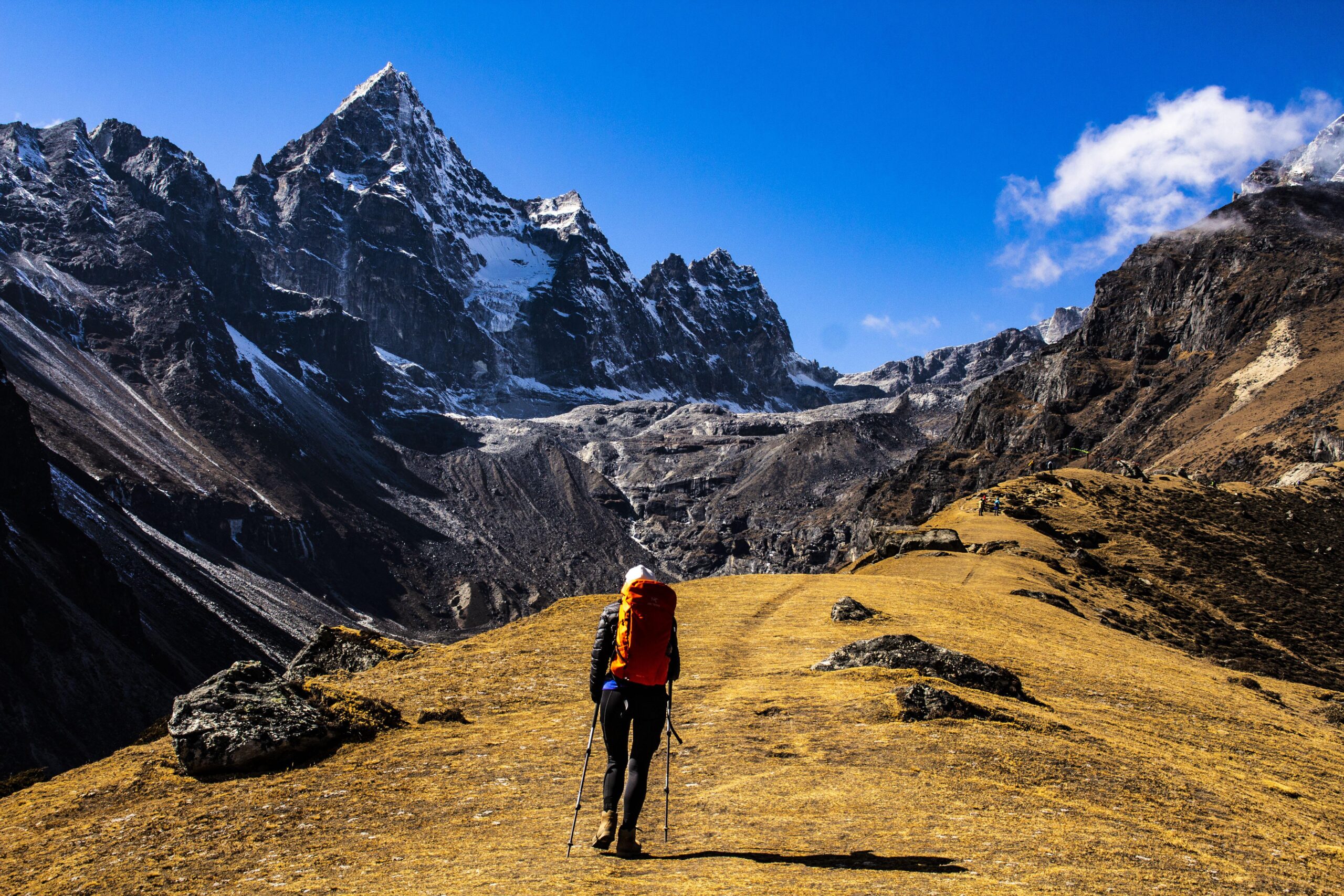
Altitude Sickness: The One Thing You Cannot Ignore
Altitude sickness is the number one reason people turn back, and it doesn’t care how fit you are.
The rules are simple. Walk slowly. Drink three to four liters of water a day. Never skip your acclimatization days; the standard route builds in two, one in Namche Bazaar and one in Dingboche, and they are there for a reason. If you get a bad headache, feel dizzy, or can’t sleep, tell your guide and be ready to go down. No view is worth your life.
Two more things: talk to your doctor about Diamox before you go, and buy travel insurance that covers trekking above 5,000 meters and helicopter rescue. I never needed the helicopter, but the trekker in the room next to mine in Gorak Shep did. Don’t skip this.
My Everest Base Camp Trek Itinerary, Day by Day
Here is the classic EBC trek itinerary that almost everyone follows, and the one I did.
Days 1–3: Lukla to Namche Bazaar
The adventure starts with the famous flight to Lukla. It’s short, loud, and the landing is something you’ll talk about for years. From there, it’s an easy first day to Phakding, then a long climb, including the photogenic Hillary Suspension Bridge, up to Namche Bazaar at 3,440 meters. Namche is the Sherpa capital, a horseshoe-shaped town with bakeries, gear shops, and your first peek at Everest if the sky is clear.
Days 4–5: Acclimatization and Tengboche Monastery
You spend a rest day in Namche, but “rest” means hiking higher and sleeping lower. The walk up to the Everest View Hotel is worth every step. Then it’s on to Tengboche, home to the most beautiful monastery on the route. Watching the monks chant at dusk with Ama Dablam glowing behind the roof was one of my favorite moments of the whole trek.
Days 6–8: Dingboche and Above the Tree Line
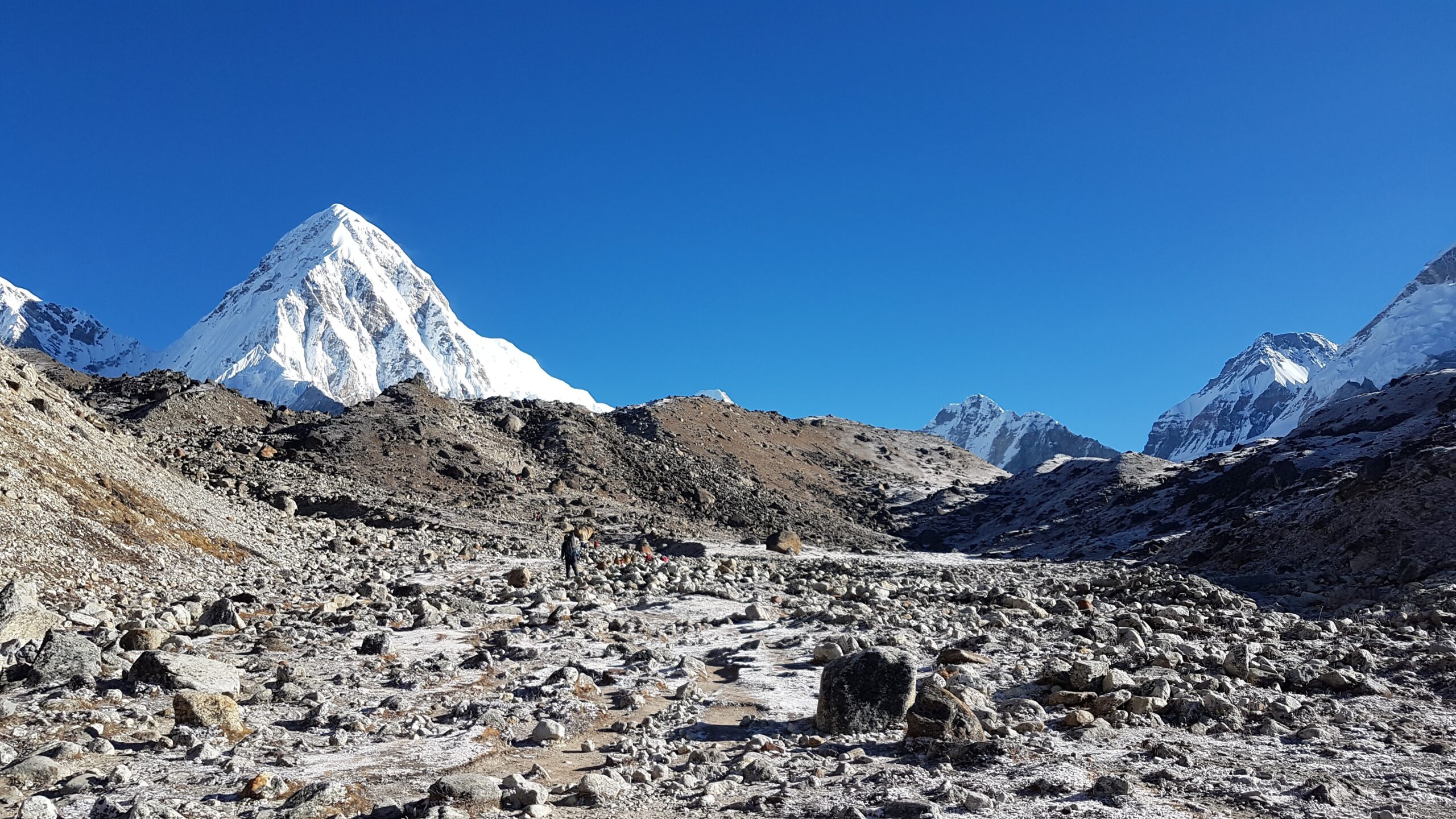
After Tengboche, the trees disappear and the landscape turns raw: all rock, ice, and sky. You take a second acclimatization day in Dingboche, then push on to Lobuche. Just before Lobuche, you pass the memorial stones for climbers who died on Everest. I walked through in silence. Everyone does.
Days 9–10: Everest Base Camp and Kala Patthar
This is it. From Gorak Shep, you walk two to three hours along the glacier to Everest Base Camp. Standing there, surrounded by the Khumbu Icefall, I felt small in the best way possible.
But here’s an honest tip: the best view of Everest is not at base camp. It’s from Kala Patthar (5,545 meters) at sunrise the next morning. It’s freezing, it’s brutal, and it’s the single best view I have seen in fifteen years of travel.
Days 11–13: The Walk Back to Lukla
Going down is faster but your knees will complain. The reward? Thicker air, a hot shower in Namche, and the best apple pie of your life.
Short on time or worried about the walk back? There’s a popular shortcut: the Everest Base Camp trek with heli return. You trek up the classic route, then fly back from Gorak Shep to Lukla or Kathmandu by helicopter. It cuts three to four days off the trip, saves your knees, and the flight over the Khumbu glaciers is an experience in itself.
I did the trek with a local company, and honestly, it made the whole thing easier; they sorted my permits, lodges, and guide, and the route included both acclimatization days.
How Much Does the Everest Base Camp Trek Cost?
Good news for budget travelers: the Everest Base Camp trek cost is lower than most people think.
If you trek with a guide and porter, expect roughly $1,200 to $1,600 for the full trip, including the Lukla flights, permits, lodges, and food. A full package with a trekking company usually runs $1,400 to $2,000 and takes all the planning off your plate.
Then there are the costs nobody warns you about. Hot showers cost money. Charging your phone costs money. WiFi costs money. And that Snickers bar that costs one dollar in Kathmandu? It’s five dollars at Gorak Shep, and you will happily pay it.
Two practical tips: budget for tipping your guide and porter (it’s expected and well deserved), and carry all your cash from Kathmandu. The last reliable ATM is in Namche, and it’s moody.
Best Time to Trek to Everest Base Camp
There are two main seasons, and I’d happily trek in either.
- Spring (March to May) is warmer, the rhododendron forests are in bloom, and base camp is buzzing with expedition teams getting ready to climb. The downside is some afternoon haze and bigger crowds.
- Autumn (October to November) brings the clearest skies of the year; this is the photographer’s season. It’s colder, especially at night, and the lodges fill up fast.
Avoid the monsoon months (June to September). You’ll get clouds, leeches, and canceled Lukla flights. Winter is possible if you can handle serious cold and want the trail almost to yourself.
What Teahouse Life is Really Like
You sleep in teahouses the whole way: small, family-run lodges with thin plywood walls, twin beds, and shared bathrooms. They are basic, and I loved them.
The dining room is the heart of every teahouse. Everyone crowds around the stove at night, eating dal bhat (the Nepali rice and lentil meal with free refills; “dal bhat power, 24 hour,” as the guides say) and playing cards with strangers from five different countries.
Be ready for the cold. Above Dingboche, my water bottle froze inside my room, so I started sleeping with it in my sleeping bag. And one food tip every guide will give you: skip the meat above Namche. It’s carried up on someone’s back for days. Stick to dal bhat, eggs, and soup.
Everest Base Camp Packing List: What You Actually Need
Keep it simple. You need layers, not fashion. My short Everest Base Camp packing list: good broken-in boots, a warm down jacket, base layers, a sleeping bag rated to at least -10°C, sunscreen, real sunglasses, and water purification tablets.
You can rent the expensive items, like the down jacket and sleeping bag, in Thamel, Kathmandu, for a few dollars a day. What I wish I’d brought: warmer gloves, electrolyte powder, and a second power bank. What I never used: half the clothes in my bag. If you hire a porter, your duffel is limited to about 10 to 15 kilos anyway. The mountain does not care about your outfits.
Trekking to Everest Base Camp as a Solo Female Traveler
I get this question a lot, so let me be clear: the Khumbu is one of the safest places I have ever trekked. The trail is busy, the Sherpa communities are warm, and teahouse life means you’re never really alone unless you want to be.
One important note: Nepal now requires a guide for solo trekkers in most regions, so check the current rules before you book. Honestly, I’d recommend a guide anyway, and you can request a female guide, which is a growing and wonderful part of Nepal’s trekking industry.
If you’ve been waiting for a sign that you can do this on your own, this is it.
So, Is the Everest Base Camp Trek Worth It?
Yes. A thousand times yes.
It’s cold. Parts of it hurt. You will not shower for days. And none of that matters, because two weeks of walking at the top of the world changes something in you. On my flight out of Lukla, gripping the armrest once again, I wasn’t scared anymore. I was already planning my next trek in Nepal.
Booking Your Trek with Magical Nepal
If you want a local team to handle everything, I recommend Magical Nepal. They’re a Kathmandu-based trekking company, and their Everest Base Camp trek covers the classic itinerary I followed here: Lukla flights, permits, teahouses, and an experienced local guide all included, with both acclimatization days built into the route.
They also run the Everest Base Camp trek with heli return if you’re short on time, and you can request a female guide if you’re traveling solo. Booking with a local company means your money stays in Nepal and supports the guides, porters, and teahouse families who make this trek possible.
Have you done the EBC trek, or is it on your list? Tell me in the comments, and pin this guide for when you start planning! Photo Credit: All images used via Flickr’s Creative Commons Licensing. Lukla by James Handlon; Nepal Tea House by Mark Horrell; Trekkers on the way from Cho La Pass by valcker.