

Last Updated on May 30, 2026
Planning a big trip can feel exciting at first. You start imagining the places you want to visit, the food you want to try and the experiences you do not want to miss. Then the prices start moving. Flights change, hotel rates rise, exchange rates shift and daily costs become harder to predict.
That does not mean the trip has to feel impossible. It simply means travelers need a more flexible plan. When the budget has room to adjust, changing prices become easier to manage.
Start with a flexible travel range, not one fixed number
A big trip is easier to plan when the budget is treated as a range instead of one exact number. Travel costs can shift depending on dates, exchange rates, transportation prices, accommodation availability and route changes.
For example, a trip might have a comfortable target budget and an upper limit. The target helps guide everyday decisions, while the upper limit makes it clear when the plan needs adjusting.
This approach reduces stress. Instead of feeling surprised by every price change, travelers can make decisions within a realistic range.
Watch airfare early, but do not panic-book
Airfare is often one of the biggest and most unpredictable trip costs. Prices can change quickly, especially for international routes or popular travel seasons.
Start tracking flights early with fare alerts and flexible date searches. Compare nearby airports, different departure days and alternative routes. This helps you understand what a normal price looks like before booking.
The goal is not to buy the first fare you see. It is to recognize a good deal when it appears. Booking too early can sometimes mean missing a better price, while waiting too long can leave you paying more.
Book refundable or flexible essentials where possible
Flexible bookings can be valuable when prices keep changing. Hotels, car rentals, tours, trains and internal flights may offer options that allow changes or cancellations.
A flexible rate may cost slightly more upfront, but it can protect you if your plans change or a better option appears. This is especially helpful for longer trips, multi-city routes or travel during uncertain seasons.
Always read the cancellation policy carefully. Some bookings are fully refundable, while others only offer credit or allow changes before a certain date. Knowing the rules matters before you pay.
Pay attention to exchange rates and local costs
Exchange rates can change the real cost of a trip. A destination that seemed affordable months ago may become more expensive if the currency shifts.
Travelers should check recent exchange-rate trends and research local costs before committing. Look at average prices for meals, transportation, groceries, attractions and lodging. A cheaper flight does not always mean a cheaper trip if daily expenses are high.
Choosing destinations where your money goes further can help balance rising costs elsewhere. It also helps to build a small buffer for currency changes.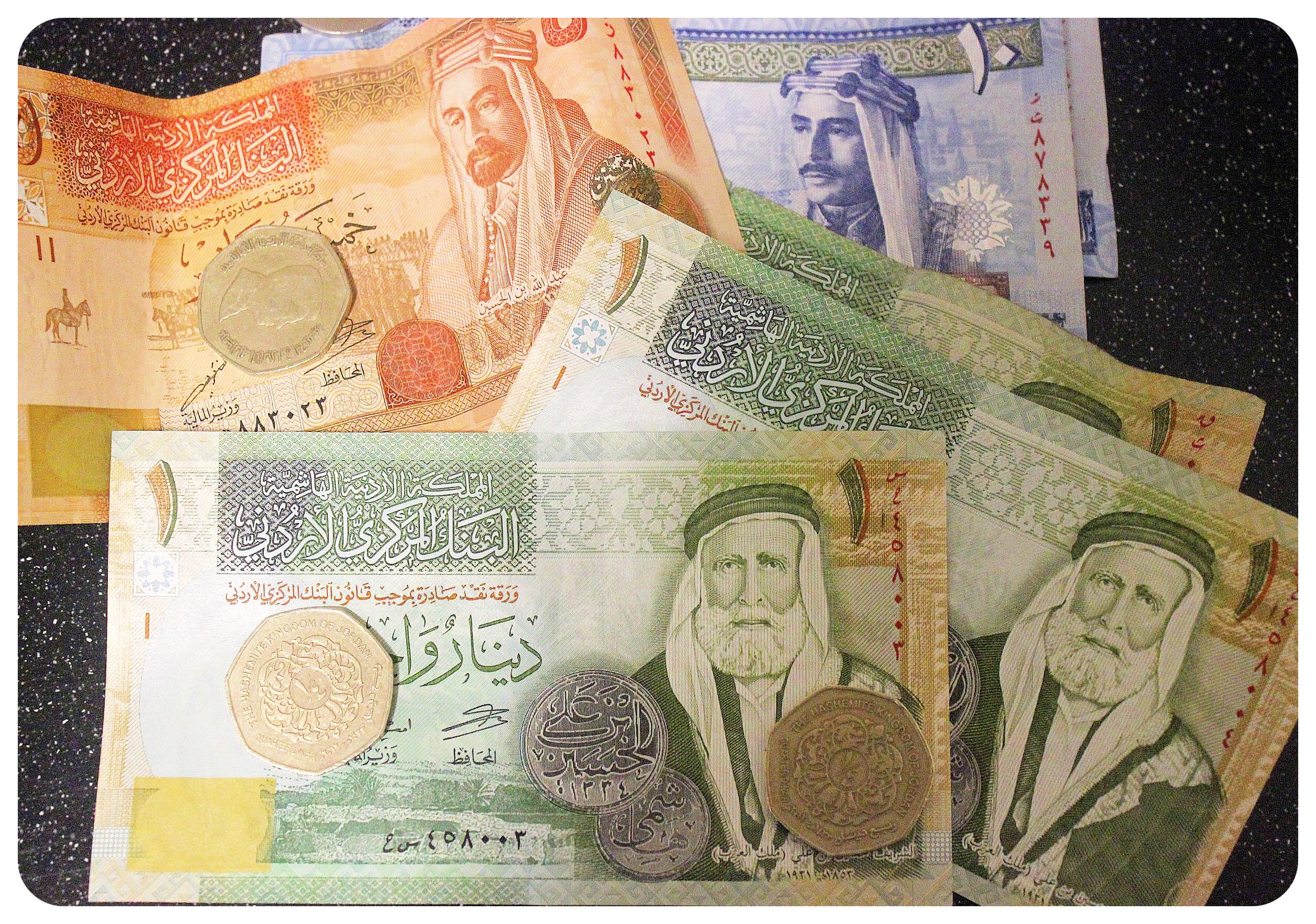
Decide what to book early and what can wait
Not every part of a trip needs to be booked at the same time. Some expenses should be secured early, while others can wait until closer to arrival.
Flights, popular accommodations, visas, festival tickets, special tours and long-distance transportation may need early booking. These are the pieces that can sell out or become much more expensive.
Other parts can stay flexible. Casual meals, local buses, neighborhood exploring, low-demand activities and some day trips can often be decided later. This balance helps protect the important parts of the trip without overplanning everything.
Build a buffer for price increases and travel surprises
A travel budget should include room for the unexpected. Prices may rise before booking, or costs may appear during the trip.
Common surprises include luggage fees, weather delays, missed connections, extra taxis, travel insurance upgrades, medical needs or an additional night’s stay. Even small costs can add up when they happen close together.
A buffer gives travelers space to respond without cutting the best parts of the trip. It also makes decision-making easier. When something changes, you can adjust calmly instead of feeling like the entire budget has fallen apart.
Plan ahead for costs that hit before you leave
One challenge with a bigger trip is that many expenses are front-loaded. Airfare, accommodation deposits, travel insurance, gear, rail passes, visas and special reservations may all need to be paid weeks or months before the first day of the trip.
Instead of treating those costs as separate surprises, group them into one “before departure” category. From there, decide what can be paid from savings, what can be booked later and what may need a different payment strategy. Some travelers may research options such as travel rewards, flexible payment plans, credit products or a personal loan, but any choice should be measured against the budget waiting at home after the trip.
If the upfront total feels too tight, that is useful information. Changing the route, cutting one destination or giving yourself more time to save can make the trip feel lighter before it even begins.
Track the budget as plans evolve
A travel budget should change as the trip becomes more real. Each time something is booked, update the numbers.
A simple spreadsheet, notes app or budgeting app can work. Track what has already been paid, what is still unpaid and which parts of the itinerary remain flexible. This helps you see whether the trip is still within range.
Tracking does not need to be complicated. The point is to avoid guessing. When the numbers are visible, it is easier to make smart changes before the trip becomes too expensive.
Stay open to destination swaps or route changes
Flexibility can be one of the best tools in travel planning. If one destination becomes too expensive, the trip does not have to be canceled. It may simply need a different shape.
Travelers can adjust dates, choose a different neighborhood, shorten the route, swap cities or add a lower-cost stop. Sometimes these changes make the trip better. A less obvious destination may offer fewer crowds, lower prices and a more memorable experience.
The goal is to protect the experience, not cling to the first version of the plan.
Flexibility is part of smart travel planning
Changing prices do not have to ruin a big trip. Flights, hotels, exchange rates and daily costs may shift, but a flexible plan can absorb those changes.
By building a budget range, booking key pieces wisely, leaving room for surprises and staying open to adjustments, travelers can plan with more confidence. The best travel plans are not rigid. They are strong enough to adapt.