
Last Updated on March 23, 2026
Determine Your Destination and Route Type
First, choose a travel location that suits e-bike riding. In the U.S., you can select city exploration or nature adventure routes based on your interests and riding experience. City exploration routes—such as the San Francisco waterfront, downtown Austin, or central Portland—are mostly flat roads and urban greenways, ideal for sightseeing and short rides.
For city routes, consider using a lightweight or folding e-bike, which is easy to store at hotels, cafes, or near public transit. Check city bike maps in advance and mark attractions, cafes, restaurants, and public charging stations so you can plan daily rides of 10–20 miles and comfortably cover key points.
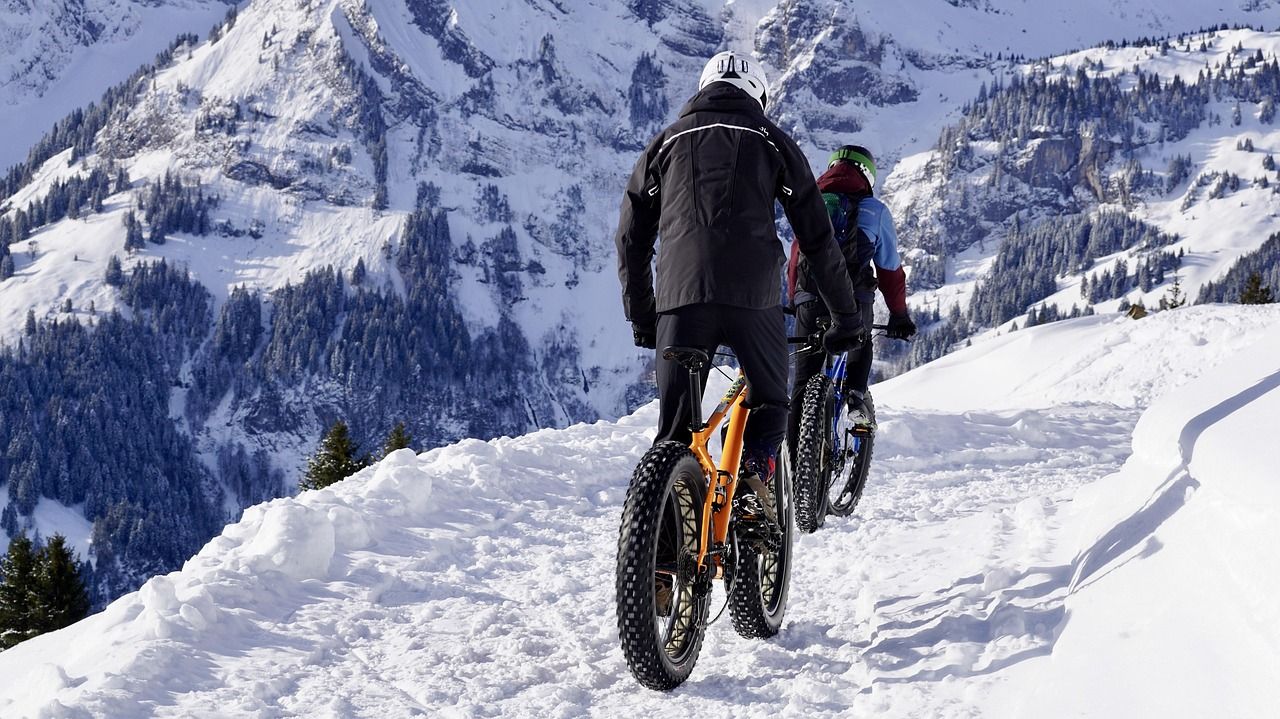
If you plan natural or national park routes—such as Yellowstone, trails in the Rockies, or Florida’s coastal paths—you’ll encounter gravel paths, hills, and grassy terrain. For these, a mountain-style or fat tire electric bike is recommended; wide tires and front-and-rear suspension improve stability and grip for a comfortable ride.
Use tools like RideWithGPS or AllTrails to find trails, and mark charging stations, water sources, and rest areas to ensure you have supplies during long rides. Plan daily mileage of roughly 15–25 miles, leaving extra time for breaks and photography.
For safety and efficiency, estimate ride time based on your motor-assisted speed (about 15–20 mph). Prepare both primary and backup routes to handle weather or trail changes, and schedule the most difficult or longest segments in the morning when you’re fresh, leaving easier scenic routes for the afternoon.
Choose the Right Electric Bike
Select a bike type based on your route and personal needs:
City & Sightseeing: 2.5–4 inch medium-width tires, lightweight frame, easy to carry. For women, mid-step or low-step designs make mounting and dismounting easier, especially when wearing skirts.
Rural or Mountain Adventures: 4–5 inch fat tires, front-and-rear suspension, longer saddle for enhanced stability.
Motor & Battery Recommendations:
- Motor Power: 500–750W is sufficient for city, campus, and light off-road routes.
- Battery Capacity: 400–500Wh works for daily rides of 20–40 miles; consider dual or removable batteries for long-distance or multi-day trips.
- Assist Modes: Use ECO/Normal/High according to terrain. On flat roads, ECO saves battery; switch to High for hills or carrying loads to reduce leg fatigue.
Gear and Luggage Preparation
Saf ety Gear: In the U.S., bike helmets must meet CPSC standards. For European rides, choose helmets compliant with EN 1078.
Lighting & Visibility: At least 200 lumens LED, rechargeable, with multiple brightness levels for urban, rural, or dusk conditions.
Carrying Items: Use baskets, panniers, or rear racks to hold clothing, food, water bottles, and cameras.
Backup Equipment: Pump, repair kit, spare tube, chain link, power bank.
Accommodation and Supply Points
Accommodation:
- Pre-book hotels or rentals that allow electric bike storage and charging. On Booking.com or Airbnb, search using keywords like “bike charging” or “bike friendly” to find locations that permit overnight e-bikes and provide power.
- Camping: For national park or rural routes, find campgrounds with electricity and verify e-bike overnight policies and outlet availability.
- Multi-Day Trips: Plan lodging within 5–10 miles of daily ride endpoints to avoid excessive fatigue.
- Contact hosts in advance to confirm outlet types (110V/220V or USB) and voltage for safe charging.
Supply Points:
- Mark convenience stores, supermarkets, cafes, or restaurants every 10–15 miles on Google Maps for water and energy replenishment.
- Carry emergency supplies like portable water, sports drinks, or high-energy snacks (energy bars, nuts) for stretches without stores.
- Adjust hydration for weather: in heat or strong sun, drink every 5–7 miles.

Route Planning and Rest Stops
- Halfway Rest Stops: Divide daily rides into two segments with breaks for water, food, and bike checks.
- Redundant Routes: Plan backup paths or temporary rest areas, especially in remote or mountainous regions, to ensure safety.
- Route Visualization & Offline Maps: Save offline maps via RideWithGPS or Google Maps to avoid getting lost in areas with poor signal.
- Ride Rhythm: Tackle longer or steeper segments in the morning when energy is highest; ride flat or scenic paths in the afternoon while managing daily ride times to avoid rushing before sunset.
Final Tips
When riding e-bikes in the U.S.:
- Follow local laws and understand Class 1/2/3 e-bike and power limits.
- Wear CPSC + MIPS-certified helmets, use front and rear lights, and wear reflective gear.
- Maintain safe distance and obey traffic signals.
- In mountainous or remote areas, ride with a partner, carry GPS/offline maps, and have an emergency contact plan.
- Prefer morning rides or clear-weather conditions to avoid rush hour and rain.
- When purchasing helmets, lights, or folding e-bike kits, watch for seasonal promotions to ensure safety and save money.