
Last Updated on February 5, 2026
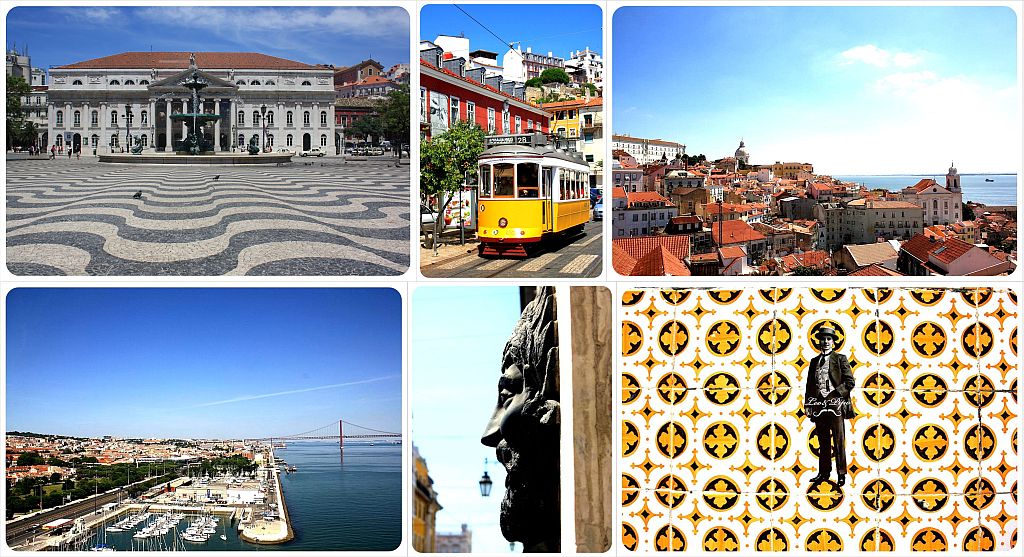
Six months ago, I was staring at another gray London morning, wondering if there had to be more to life than expensive rent and unpredictable weather. Today, I’m writing this from my sunny terrace in Lisbon, coffee in hand, watching the Tagus River sparkle in the morning light. The journey from dreaming about European living to actually making it happen? It started with a simple conversation in a café that changed everything.
When people ask me how I “escaped” to Portugal, they expect tales of complicated bureaucracy or dramatic life upheaval. The truth is far simpler – and more human than most expat stories suggest.
The Lightbulb Moment in a Cascais Café
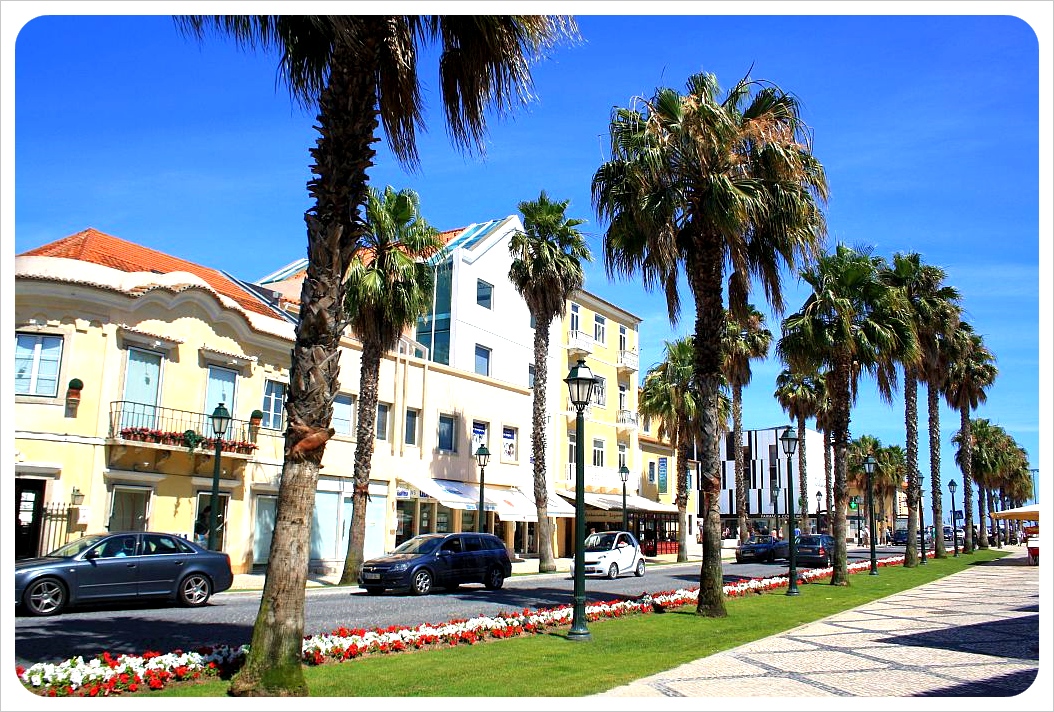
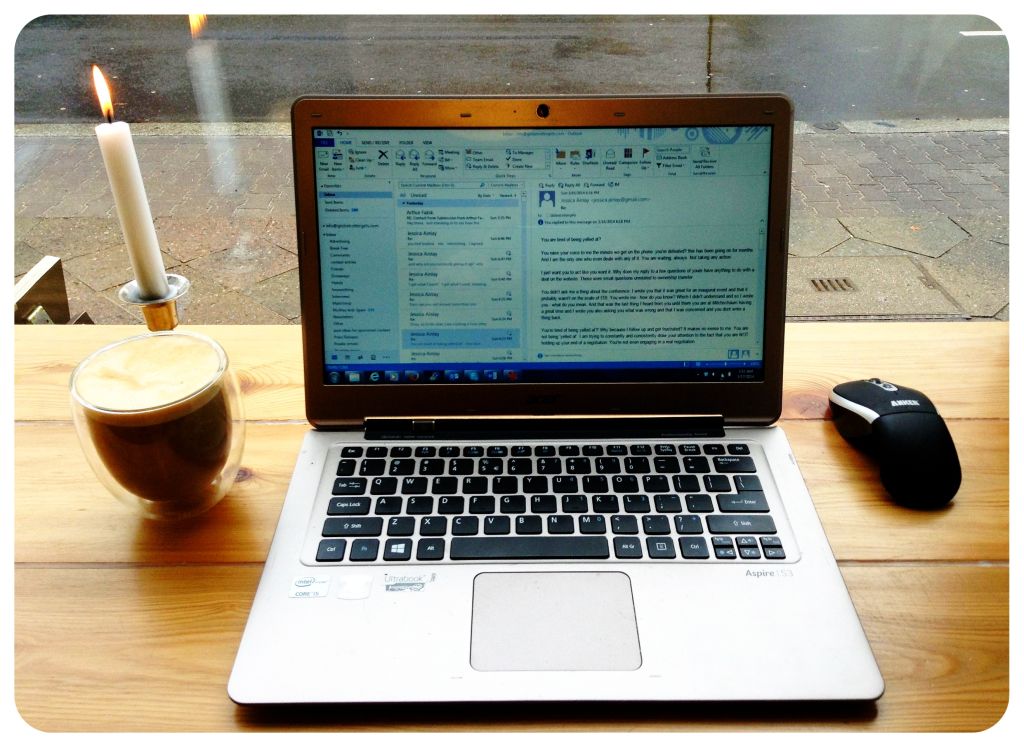
It all started during a weekend trip to Portugal in March 2024. I was sitting in a café in Cascais, laptop open, working on a project for my UK-based clients, when I overheard two women at the next table discussing their new lives in Portugal.
Curiosity got the better of me, and I found myself in conversation with Sarah, a freelance graphic designer from Dublin, and Emma, a content creator from Manchester.
“Wait, you can actually live here legally?” I asked, probably sounding more desperate than intended.
Sarah laughed. “Not just live here – build a proper life. I’ve been here eight months now. Best decision I ever made.”
That conversation planted a seed. Within a week, I was researching what it would actually take to make the leap from London visitor to Portuguese resident. The visa details came later – first, I had to figure out if this crazy dream was even possible for someone like me.

Taking the Leap: The Reality of Starting Over
The visa process – specifically Portugal’s D7 for remote workers or passive income – also known as the retirement visa – turned out to be the practical bridge between my London life and Portuguese dreams. But honestly? The paperwork was just the beginning of the real adventure.
Business income loophole – “If your remote work income comes from business ownership or profit distributions, and not from a monthly salary tied to active employment, Portuguese consulates often accept this under the D7 framework.”, as laydown in this full D7 visa guide.
What nobody tells you about moving countries is that it’s less about documents and more about completely reinventing your daily existence.
Here’s what I discovered that most expat blogs gloss over:
The emotional rollercoaster is real. One day you’re exhilarated by your new view; the next you’re crying in a grocery store because you can’t find your usual brand of coffee. These moments aren’t failures – they’re part of the process.
Your identity shifts in unexpected ways. In London, I was “the freelance writer who knew all the best coffee spots.” In Lisbon, I became “the foreigner who speaks terrible Portuguese but tries really hard.” Both versions are me, but the Portuguese version is braver.
The learning curve never ends. Eight months in, I’m still discovering new cultural nuances, still mispronouncing street names, still occasionally ordering the wrong thing at restaurants. But that’s the beauty of it – there’s always something new to learn.
The Paperwork Reality Check
Let me be honest – the visa documentation felt overwhelming at first. Birth certificates, background checks, proof of income, health insurance, accommodation contracts. I spread everything across my dining table and felt like I was assembling a small novel about my life.
But here’s the thing: it’s mostly just gathering documents you already have or can easily obtain. The Portuguese consulate staff were surprisingly helpful, walking me through requirements and suggesting solutions for tricky situations.
Timeline reality: My application took four months from submission to approval. Not the three weeks some blogs promise, but also not the nightmare delays I’d read about in Facebook groups. The key is submitting complete documentation from the start – incomplete applications create months of back-and-forth correspondence.
Cost breakdown: The visa fee (€83), document translations (around €300), and various certifications totaled approximately €800. Add flights for consulate appointments if you’re not near a Portuguese consulate, and budget around €1,200 total.
But honestly? The money and time were worth it for the chance to completely restart my life in a place that felt like home from day one.

Life After the Move: The Portugal Reality
Eight months into my Portuguese adventure, the reality has exceeded expectations in unexpected ways. This isn’t just about better weather – it’s about becoming a different version of myself.
Cost of living revelations: My monthly expenses dropped 40% compared to London, but the quality of life improved dramatically. My Lisbon apartment costs €1,200 monthly – less than what I paid for a tiny London flatshare. More importantly, I’m not constantly stressing about money anymore. That financial breathing room has transformed my creativity and mental health.
The expat community myth: I expected to find isolated pockets of British and American expats. Instead, I discovered an incredibly diverse international community. My neighbor is a Finnish software developer, my landlord is Brazilian, and my favorite café is run by a couple from Lebanon. The international mix creates unique cultural richness I never experienced in London.
Finding my Portuguese rhythm: Government offices operate differently here. Everything takes longer than expected, but people are generally patient and helpful. Learning basic Portuguese phrases goes far – effort is appreciated even if your pronunciation is terrible. I’ve learned to embrace the slower pace, to see it as respect rather than inefficiency.
Weather and soul shifts: The consistent sunshine changed my daily rhythms completely. I wake up earlier, take afternoon breaks, and stay out later. The Portuguese concept of “desenrascanço” – creative problem-solving – has become my new life philosophy. I’m more flexible, more patient, more willing to figure things out as I go.

The Challenges That Built Character
Banking complexity: Opening a Portuguese bank account requires patience and multiple visits. Each bank has different requirements, and the process can take weeks. Bring every document you own and prepare for bureaucratic frustration. I learned to see these challenges as character-building exercises rather than obstacles.
Healthcare navigation: While Portugal’s health system is excellent, understanding how to access services as a new resident takes time. GP registration, specialist referrals, and prescription procedures differ significantly from other countries. The learning curve is steep, but the care is worth it.
Tax reality check: Becoming a Portuguese tax resident after 183 days annually creates obligations but also opportunities. The Non-Habitual Resident program can provide significant tax advantages, but navigating the system requires professional guidance. It’s not as complicated as it sounds, but it’s not something to DIY.
Language barriers: While many Portuguese speak English, official processes happen in Portuguese. Government offices, bank appointments, and rental negotiations require basic Portuguese or translator assistance. My Portuguese is still terrible, but my willingness to try has opened more doors than perfect grammar ever could.
Finding My New Normal
Internet reliability: Portugal’s internet infrastructure surprised me. Fiber connections are standard in major cities, and I’ve had fewer connectivity issues than I experienced in London. Rural areas can be hit-or-miss, so research carefully if you prefer countryside living.
Remote work rediscovered: Time zone advantages for US clients (five hours ahead of East Coast) and minimal time difference with European clients make Portugal ideal for international freelancing. The coworking scene in Lisbon and Porto rivals any major European city, but I’ve found I work better from my terrace with the occasional café change of scenery.
Travel transformation: Being EU-adjacent means weekend trips to Spain, Morocco, or anywhere in Europe become affordable adventures. I’ve visited more countries in eight months here than in three years living in London. But more importantly, I’ve learned to travel differently – slower, more intentionally, with appreciation rather than checklist mentality.
For anyone considering a similar move, understanding the practical visa requirements is important, but the real preparation happens in your head and heart. Are you ready to be a beginner again? To ask for help? To feel awkward sometimes? If yes, then you’re ready for the adventure.
The Unexpected Joys of Reinvention
Food culture renaissance: Portuguese cuisine extends far beyond pastéis de nata (though they’re incredible). Fresh seafood, incredible wines, and neighborhood tascas serving authentic regional dishes have revolutionized my relationship with food. I’ve learned to eat seasonally, to appreciate simplicity, to linger over meals rather than rushing through them.
Community rediscovery: Small neighborhoods still maintain village-like qualities. My local shopkeepers know my preferences, neighbors check on each other, and community festivals include everyone regardless of nationality. I’ve found the sense of belonging I never knew I was missing in London’s anonymity.
Work-life balance revolution: The Portuguese approach to life prioritizes family, leisure, and personal relationships. This cultural shift influenced my own work habits – I’m more productive during focused work hours and actually disconnect during personal time. My creativity has flourished, my anxiety has decreased, and my weekends actually feel restorative now.
Personal growth: Moving countries forces you to confront your own limitations and expand beyond them. I’m more patient, more adaptable, more comfortable with uncertainty. I’ve learned that being uncomfortable is often where the magic happens.

The Bottom Line
Is moving to Portugal a magical solution to all life problems? No. It’s paperwork, adjustment challenges, cultural learning curves, and moments where you wonder what you’ve gotten yourself into.
But if you’re dreaming of a different kind of life – one with more sunshine, more community, more balance, and more possibilities – then Portugal offers something extraordinary. The visa process (whether it’s the D7 or another pathway like their pioneer and famous main program) is just the practical mechanism. The real transformation happens in the small moments: your first successful conversation in Portuguese, the day you realize you know your neighborhood streets without GPS, the moment you stop feeling like a tourist and start feeling like you belong.
The hardest part isn’t the paperwork – it’s making the decision to try something completely different. For me, that conversation in a Cascais café led to the most rewarding adventure of my adult life.
Sometimes the best journeys start with simply asking: “What if?”