
Last Updated on January 20, 2026
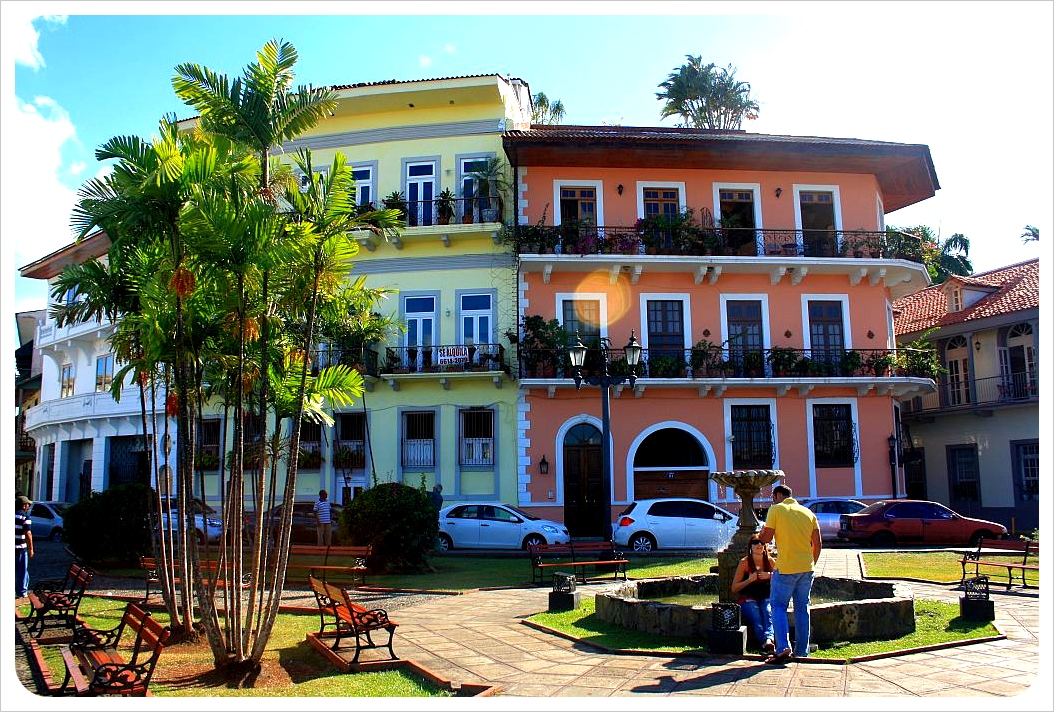
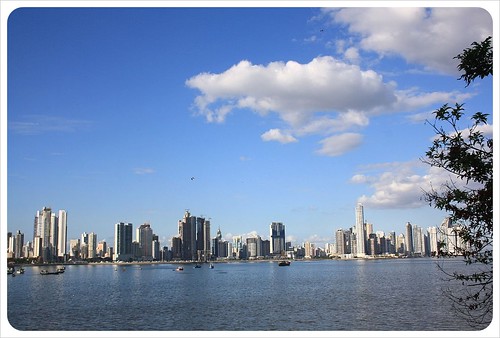
When we arrived in Panama City, the first buildings that came into view were modern monoliths like we hadn’t seen since Mexico City eight months earlier and seven countries to the north. Panama’s capital has a skyline to rival most major US cities, and being located right on the water, the sight is breathtaking. 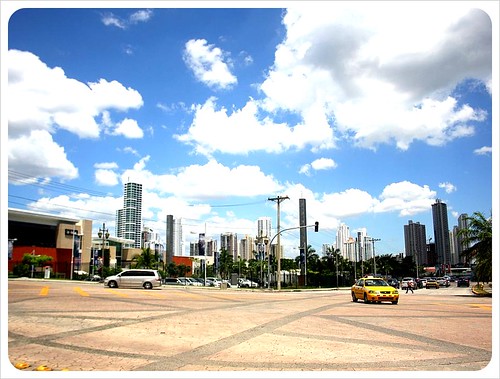 However, as contemporary as these skyscrapers and super condos are, they are the exception to the rule here in Panama. Put simply, the rest of Panama could not look more different than this area of the capital. Only a few minutes away from the skyline so reminiscent of New York City, however, you enter a completely different world: Casco Viejo, Panama’s historic quarter.
 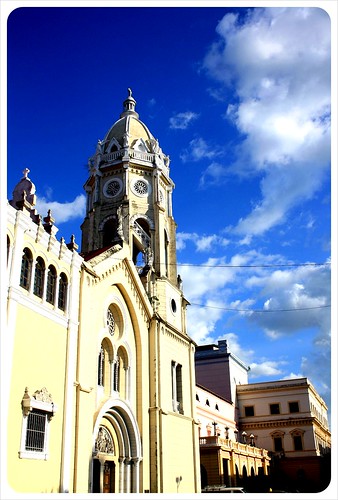 Developed in the early 16th century, Casco Viejo is the oldest neighborhood of Panama City, set on a little peninsula bordered by the ocean on three sides. Casco Viejo is as antiquated as the skyline is modern.
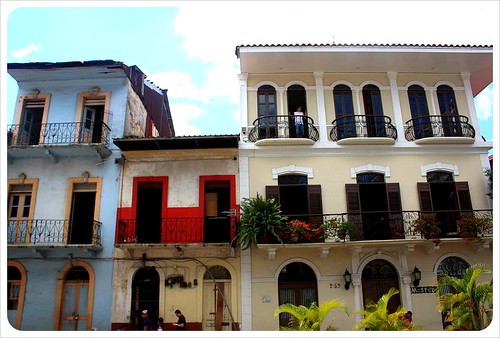
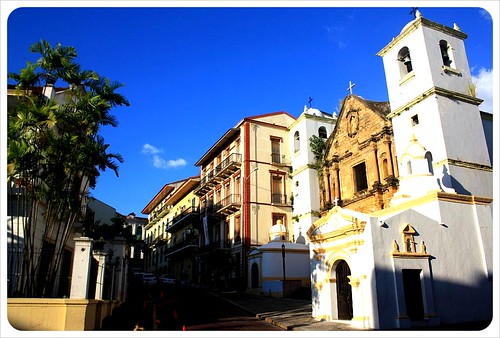 The flair that Panama City must have had in the late 19th century is still tangible when strolling between the colonial buildings and church ruins. In the well-maintained or newly renovated buildings, it is easy to imagine the bravado that must have been racing through the city’s veins, the amount of confidence Panama must have had in the late 19th century at the prospects of the prosperity to come, thanks to the construction of the Panama Canal, which would cement the city’s and country’s place on the world stage.
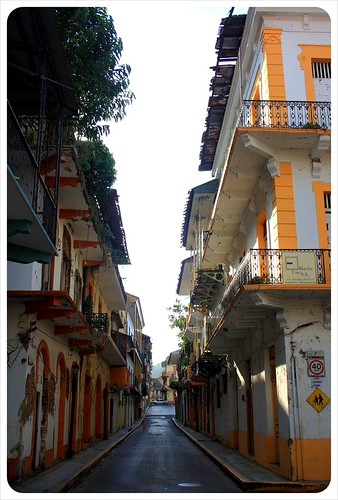

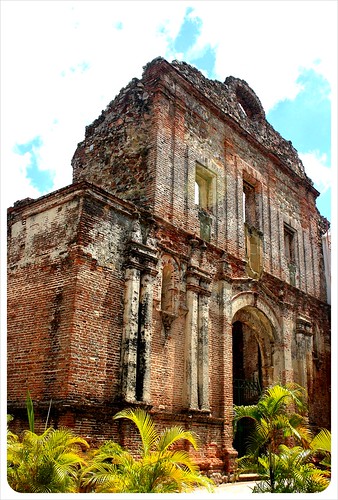 Today, however, that mix of former greatness and crumbling buildings reminded us, although neither of us have ever been, of what Havana, Cuba must feel like. In contrast to other colonial towns in Central America, the buildings in Casco Viejo are considerably higher and have between two and four floors instead of only one.
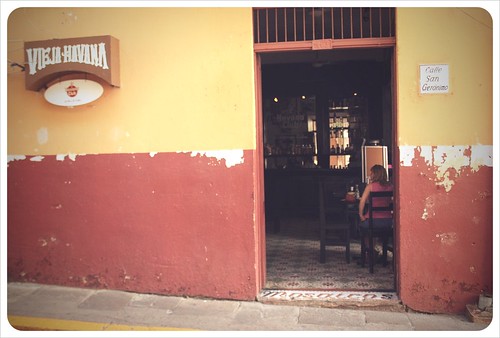 On a stroll through Casco Viejo, you will see several 15th century churches, green plazas and several grand buildings which house embassies and government bodies. Considerable funding, both national and international, has been invested in renovating Casco Viejo, which was declared a UNESCO World Heritage Site in 1998.
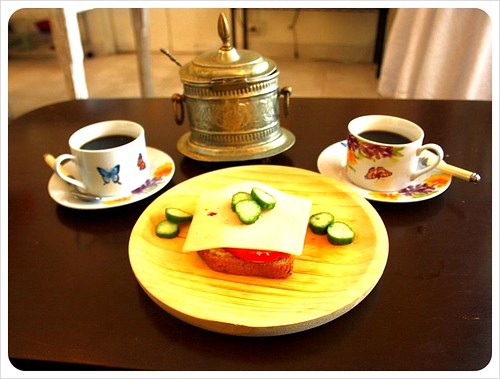
  The area has started to flourish once more, and high-end hotels and restaurants (see below) have moved in, as well as some mid-range spots we fell in love with including Caffe Per Due, an Italian restaurant with to-die-for pizza, or Café El Vienna, a German-run coffee house (both have sadly closed since we visited).
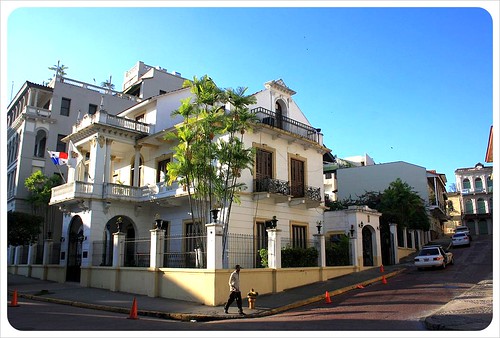
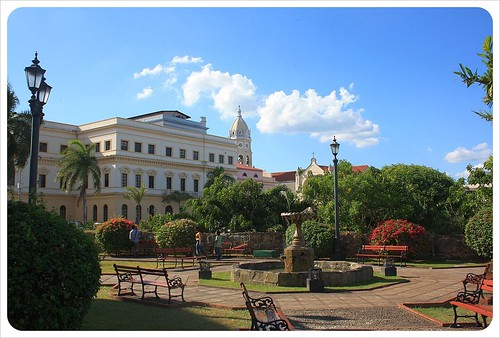 Despite World Heritage status, until just a few years ago, tourists were advised not to visit Casco Viejo. The area was dodgy, thefts and muggings occurred, and most of the buildings were run down and abandoned. In 2005, a tourism police force was put into place to reduce muggings and theft, and the number of crimes has been declining ever since.
  Whether it is because of the heavy police presence in the area or despite it, Casco Viejo feels very safe today. While we love exploring off the beaten path, there are some sincerely shady areas in Casco Viejo (multi-storey makeshift shanties and such) that would be better to avoid, especially at night.
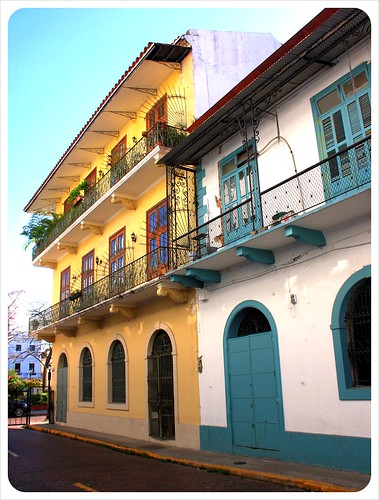
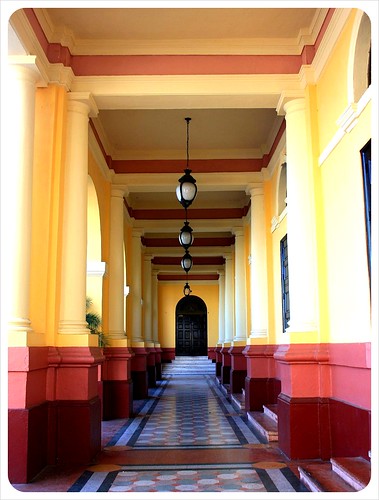 Most of Casco Viejo’s buildings have had a fresh coat of paint slapped on, several have undergone major renovation, and the area has now been converted into one of the most well-preserved colonial towns of Central America.
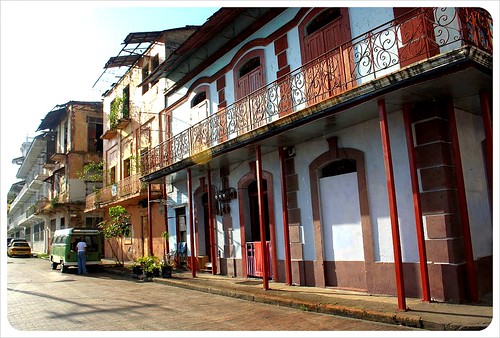
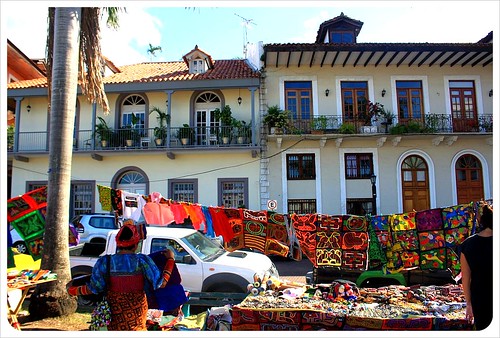
 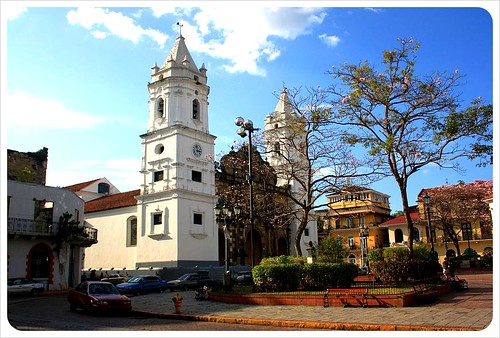 The influence of the Europeans is ever present and the high buildings, featuring the typical Spanish window shutters and grand French balconies, but the combination of renovated and run-down means you never forget that you are in Panama.
 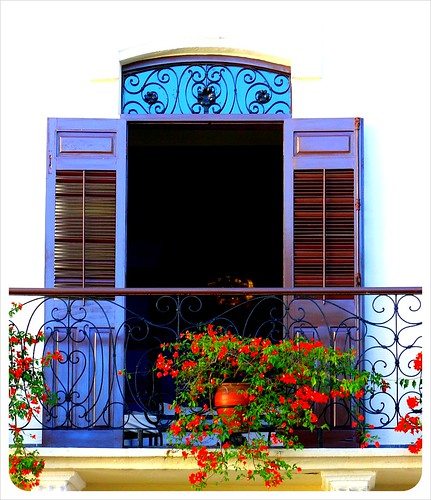 Freshly-painted iron-gated balconies feature colorful flowers, while right next door, it is the colorful laundry which catches your eye as it hangs over the old rusty balconies which seem as though they could collapse at any moment.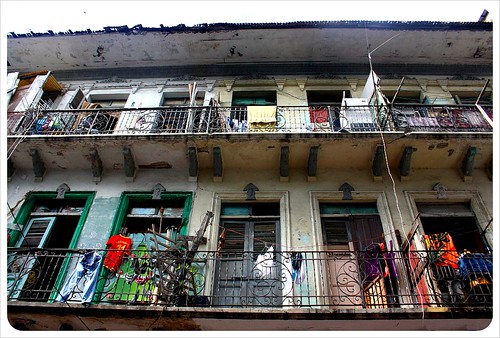
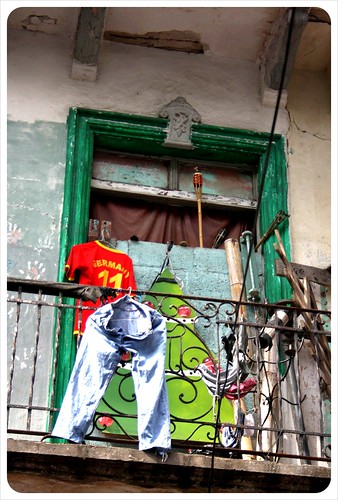
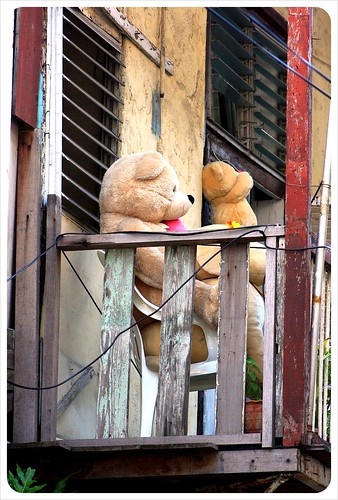
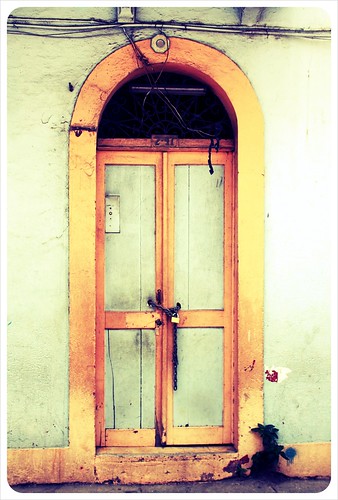
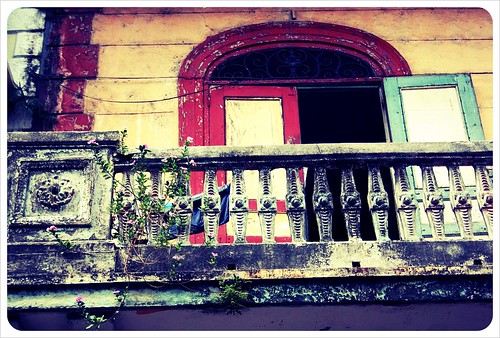 Some buildings seem one breezy day away from falling down, but seen through the eyes of the temporary traveler, the buildings add to the neighborhood’s charm.

 The indigenous Kuna women arrive in the early mornings, in their traditional dress, to set up their market stalls near Casco Viejo’s waterfront, where they sell their famous and unique hand-made ‘molas’ (clothes in Kuna language) and blankets in the typical bright colors.
 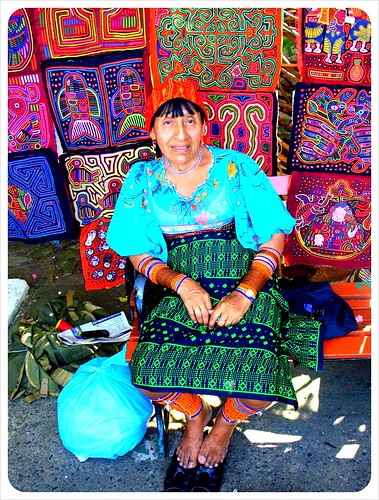 Over in the business district, where people identify more with the U.S. than with their own Panama, the Kuna presence is nearly non-existent, just one example of how the two areas of Panama City feel like two entirely different worlds.
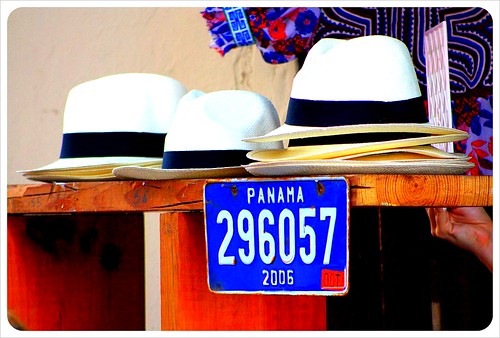
 End your stroll with a walk along the promenade, which offers marvelous views of Panama City’s skyline, especially at night. Pick up a Panama hat (you’ll never find them cheaper – surprise, surprise – than here in Panama) and other souvenirs.
 Get yourself a raspado, or shaved ice topped with fruit syrup and condensed milk, from one of the food carts and try to gobble up your ‘snow cone’ before it melts in the hot Panama sun.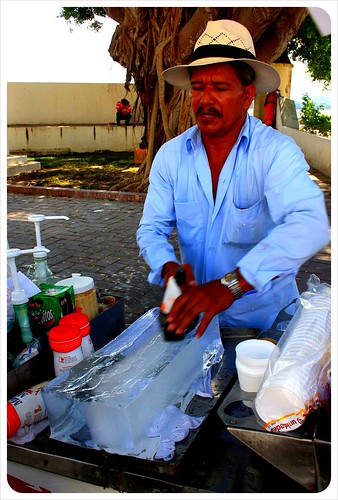
Where to eat in Casco Viejo:
-
- Tiempos Specialty Coffee (inside the American Trade Hotel) – fantastic specialty coffee shop, great for breakfast.
- Sama Sky Lounge (inside Oasis Hotel) – rooftop bar with great views, tasty cocktails and delicious food
- Casa Sucre (Calle 8 y Avenida B) – cozy coffeehouse with delicious breakfast and coffee
- Restaurante Santa Rita (Av. Eloy Alfaro) – excellent fusion of Spanish tapas and Argentine parilla: meat dishes, sea food & fresh fish, tapas
- Fonda Lo Que Hay (Calle 12 Este Entre Avenida Central & Avenida B) – unique Panamian dishes with a twist. Run by one of Panama’s most famous chefs, Jose Carles, who also runs Donde Jose (see below)
- Tantalo – thriving rooftop bar & restaurant atop the Tantalo Hotel. Elegan fusion cuisine and a fab happy hour.
- The Dining Room (inside the American Trade Hotel) – Most elegant restaurant in Casco Viejo.
- Tiempos Specialty Coffee (inside the American Trade Hotel) – fantastic specialty coffee shop, great for breakfast.
Where to stay in Casco Viejo:
Budget:
- Luna’s Castle Hostel – backpacker hostel in an old refurbished French-colonial mansion. Terrace, hammocks, communal lounge. Bed in a 10-bed dorm from US$16, including breakfast
- Vive Casco Antiguo – Small but stylish apartments with one bedroom, fully equipped kitchen, washing machine and TV, and a balcony. Apartment per night from US$65
- Magnolia Inn – beautiful Inn in a wonderfully renovated French-colonial villa with terraces. There’s a shared kitchen and a shared dining room. Dorm beds from US$14, private double rooms from US$80
Mid-range:
-
- Tantalo Boutique Hotel is located right in the heart of Casco Viejo. The contemporary artsy rooms have a balcony, the hotel has a fantastic restaurant and rooftop bar. Double rooms start at US$80
- Villa Palma Boutique Hotel: Small boutique hotel in Casco Viejo that combines traditional elements with modern features. There’s a sun terrace with a hot tub, and the hotel has a restaurant and bar. Double rooms start at US$108 per night.
Splurge:
-
-
- La Concordia Boutique Hotel is a small hotel with stylish, beautifully designed rooms (including standalone bathtubs) and a lovely terrace. Some rooms have a balcony. Double rooms from US$204, including breakfast
- Central Hotel Panama: Modern hotel behind a historic colonial facade. Features an outdoor pool and a spa center, including a sauna and fitness center. Double rooms start at US$170, including breakfast.
- American Trade Hotel – right in the heart of Casco Viejo. Guests can enjoy an outdoor pool and rooftop sun terrace, a gym, a restaurant and there is a jazz bar onsite. Rooms are modern and stylish, bathrooms come with a rain shower head. Double rooms start at US$249 including breakfast.
-

Denise
Sunday 18th of December 2011
this post has confirmed what I thought about Panama city! It's beautiful in it's own way.
Dani
Sunday 18th of December 2011
Make sure NOT to miss Casco Viejo when you visit Panama City - it was by far our favorite part of Panama City, and with all the colonial buildings such a contrast to the modern skyscrapers of downtown Panama City!
Sabrina
Thursday 23rd of June 2011
That old quarter of the town looks so much nicer than the skyline (even though that is impressive of course). I love all the colors and old buildings. And how can you not love a place that has an actual German coffeehouse!? That looked like pretty authentic bread to me :)
Dani
Sunday 26th of June 2011
Yes, the German cafe was actually pretty good! They also had delicious cakes and the whole place was beautifully decorated. Casco Viejo is just gorgeous!
Rease
Thursday 23rd of June 2011
I love all those old buildings, even if they are falling apart. It seems like a gorgeous place to take a walk through.
Dani
Sunday 26th of June 2011
Thanks Rease, it really is a wonderful little neighborhood. We stayed in a hostel right there and were happy that we didn't stay in the new part of town.